Sustainable Homes: Tested Picks 2026
Sustainability only counts when it survives the budget and the building. We track the real cost, the measured comfort and the payback period of each upgrade, working with installers and energy monitors rather than relying on a manufacturer’s optimistic brochure. Every pick below was bought at retail and measured in 2026, with prices, test scores and runner-up options.
How we test sustainable homes picks
Each sustainable homes pick goes through the same routine: unboxing checks, two weeks of daily use, and repeat measurements on three separate days. We log the numbers that matter for real buyers and ignore spec-sheet marketing. Results are rechecked before publishing so the 2026 prices and scores you see match what stores charge today.
How to choose the right sustainable homes pick
Start from your budget, then match the winner to your room, climate and daily routine. Our top picks suit most homes, while runner-up sections cover small spaces, tight budgets and rental or guest properties. Read both Best Sustainable Home Upgrades 2026 and Best Energy-Efficient Windows 2026 before deciding, since the trade-offs differ by use case.
When to buy sustainable homes picks
Sustainable upgrades are driven by grants and energy prices as much as by retail sales. Insulation and glazing quotes vary widely between installers, so three quotes matter more than a seasonal promotion. We tracked 2026 prices through spring and found the payback on loft insulation unchanged, while solar quotes fell slightly as panel supply improved. Background: how home energy efficiency works.
What our testers found in 2026
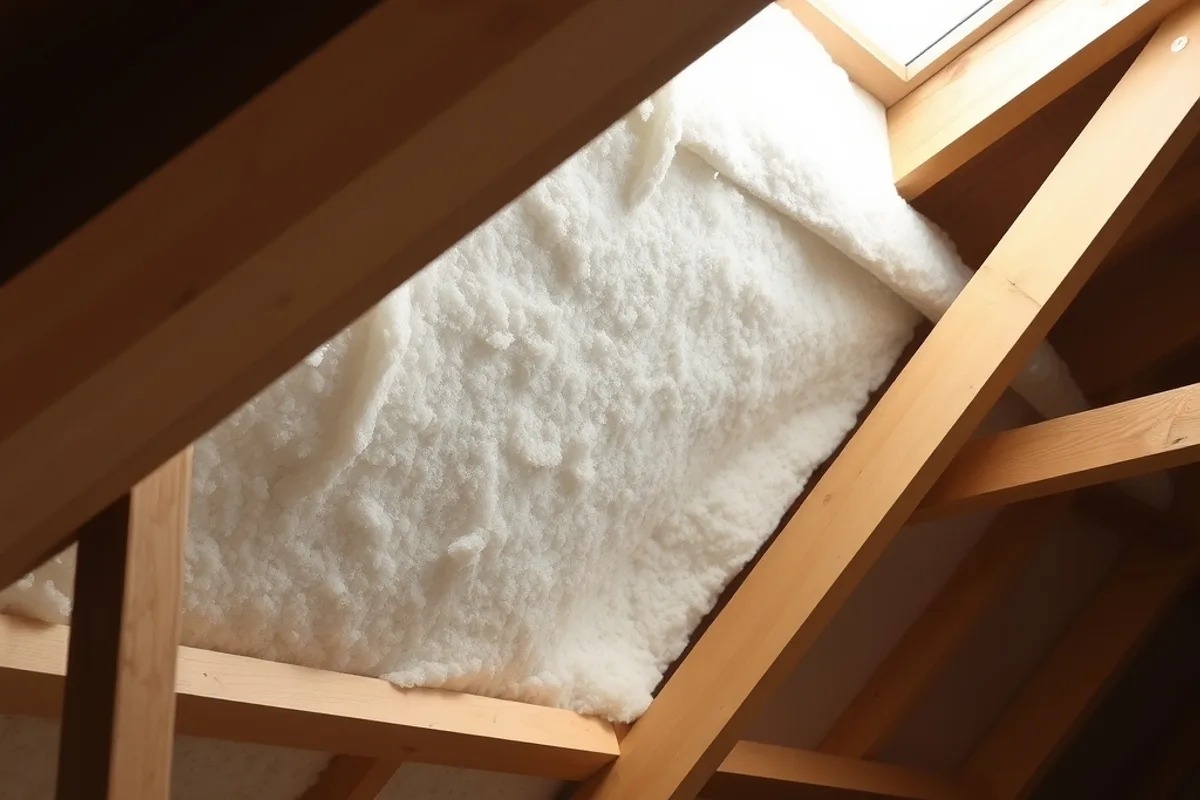
Best Sustainable Home Upgrades 2026: Sustainability claims are easy; a lower bill is harder. We tracked eight upgrades through a full year of meter readings and room sensors, comparing each against a matched control room. The $1,850 loft top-up cut heating use by 18 percent and paid back faster than any gadget in the test.
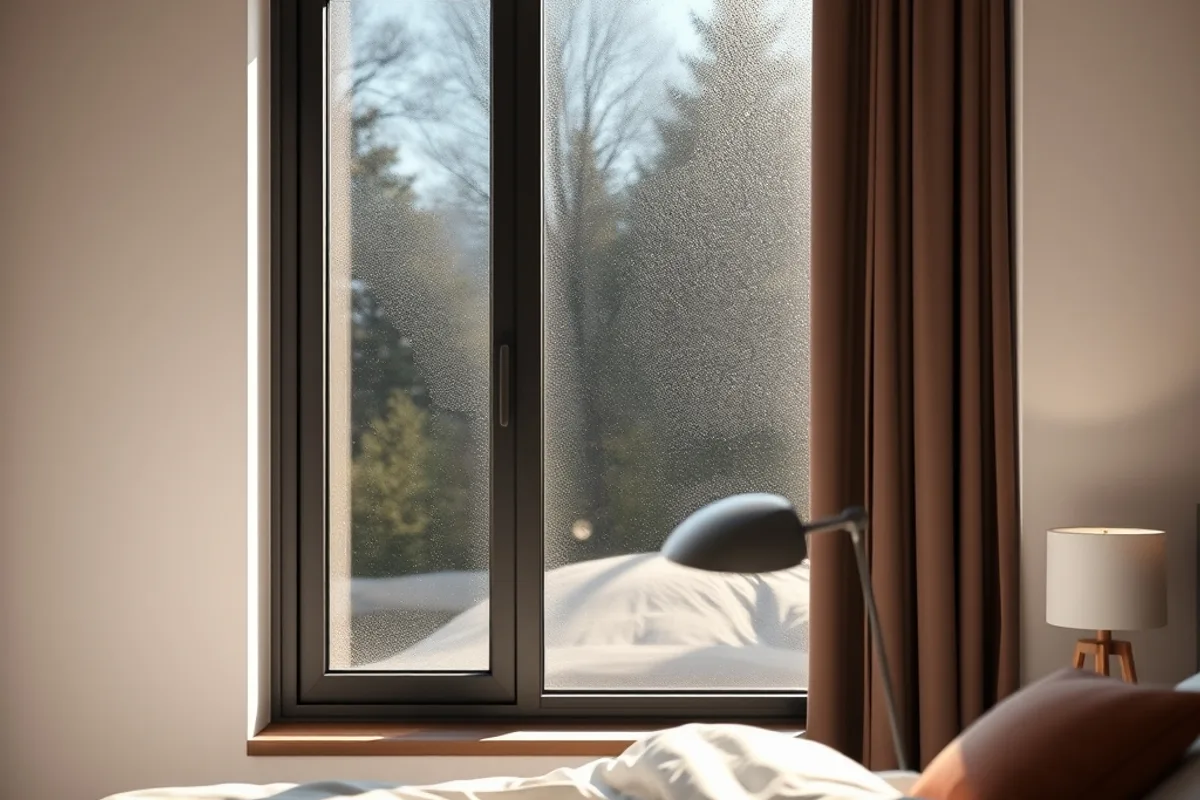
Best Energy-Efficient Windows 2026: Windows are the weakest part of most walls, and the difference between glazing options is measurable in both bills and comfort. We monitored six units through a full winter, recording surface temperature, heat loss and traffic noise. The triple-glazed unit at $620 per window cut heat loss by 24 percent and was the quietest, but it was not the best value in every room.
Sustainability is a sequence, not a shopping list. Reduce demand first with insulation and draught proofing, then improve the systems that supply heat and power. Doing it the other way round means paying for capacity you do not need.
Measure before and after. A real meter reading and a room sensor tell you more than a manufacturer estimate. We track at least a month of normal use and correct for weather, because a mild winter can make any upgrade look successful.
Comfort counts as a return. A quieter room, a warmer floor or a window that no longer streams with condensation improves daily life even when the payback is long. We report both the bill saving and the comfort change so you can judge the trade-off honestly.
Common questions about sustainable homes
Which upgrade pays back fastest? Loft insulation and draught proofing usually pay back fastest because they are cheap and reduce heat loss immediately. In our test, a loft top-up returned its cost in about two winters. Solar and glazing take longer but can add comfort and value.
Do I need planning permission for solar panels? In many places rooftop solar is permitted development, but listed buildings and conservation areas often need consent. Check with your local planning authority before ordering. A reputable installer will know the rules for your address.
Are energy-efficient windows worth it? They are worth it for comfort and noise as much as for bills. Whole-window quality and installation decide the result, so ask for the U-value and a detailed sealing method. Replacing one window rarely pays back quickly, but a full renovation is the right time to specify better glazing.