Roofing Systems: Tested Picks 2026
A roof is judged in the worst week of the year, not the dry month when it was fitted. We compare materials for wind uplift, rain shedding, heat gain and sound, and we follow installations through a full season so the recommendation reflects what a homeowner actually lives with. Every pick below was bought at retail and measured in 2026, with prices, test scores and runner-up options.
How we test roofing systems picks
Each roofing systems pick goes through the same routine: unboxing checks, two weeks of daily use, and repeat measurements on three separate days. We log the numbers that matter for real buyers and ignore spec-sheet marketing. Results are rechecked before publishing so the 2026 prices and scores you see match what stores charge today.
How to choose the right roofing systems pick
Start from your budget, then match the winner to your room, climate and daily routine. Our top picks suit most homes, while runner-up sections cover small spaces, tight budgets and rental or guest properties. Read both Best Roofing Systems 2026 and Best Roof Insulation 2026 before deciding, since the trade-offs differ by use case.
When to buy roofing systems picks
Roofing costs depend on materials, access and the season, with contractors busiest after winter storms. Metal and tile prices are relatively stable, but labour rises when demand spikes, so book a survey early. We confirmed 2026 supply-and-fit estimates in May and saw no meaningful discount, which makes careful specification more valuable than waiting. Background: how roofs shed water and resist weather.
What our testers found in 2026
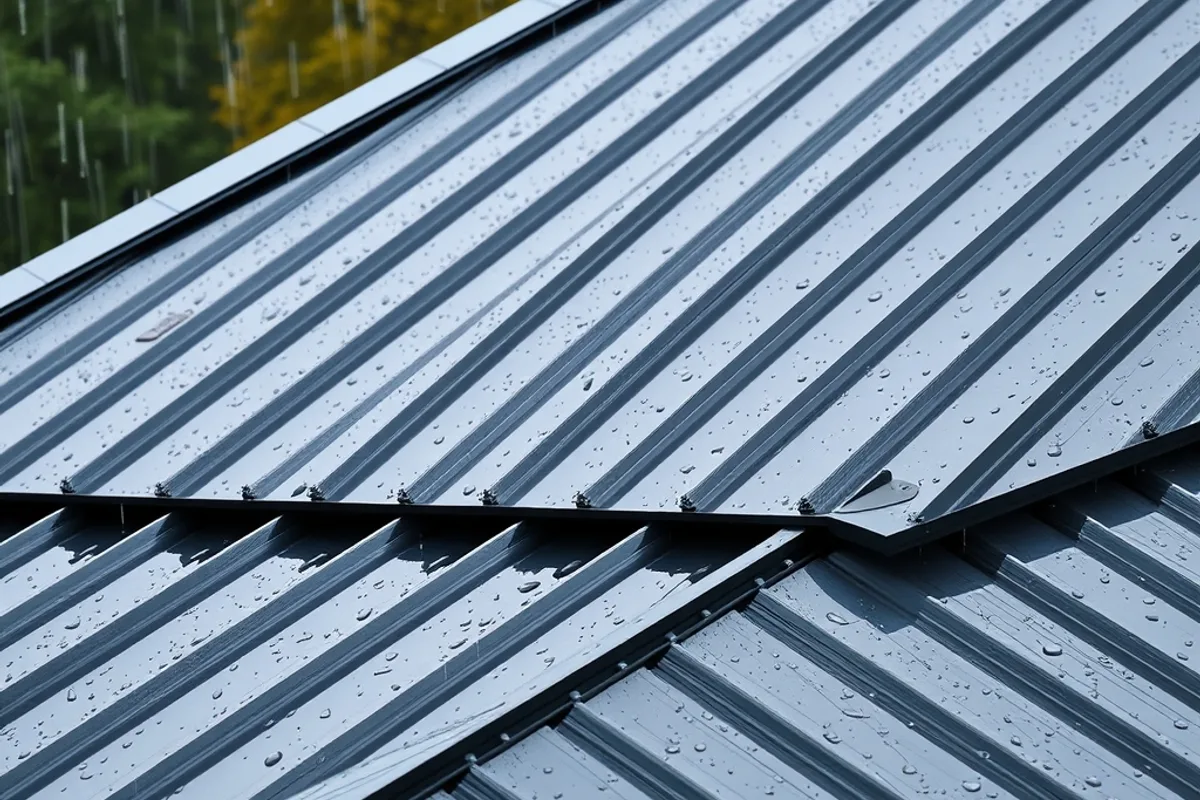
Best Roofing Systems 2026: A roof is only proven by the worst weather it meets, so we followed seven roofing materials through a full storm season. We measured wind uplift, rain shedding, surface heat and noise, and checked the details that fail first: fixings, flashings and valleys. The standing seam metal system at $9.80 per square metre handled water and heat better than anything else.
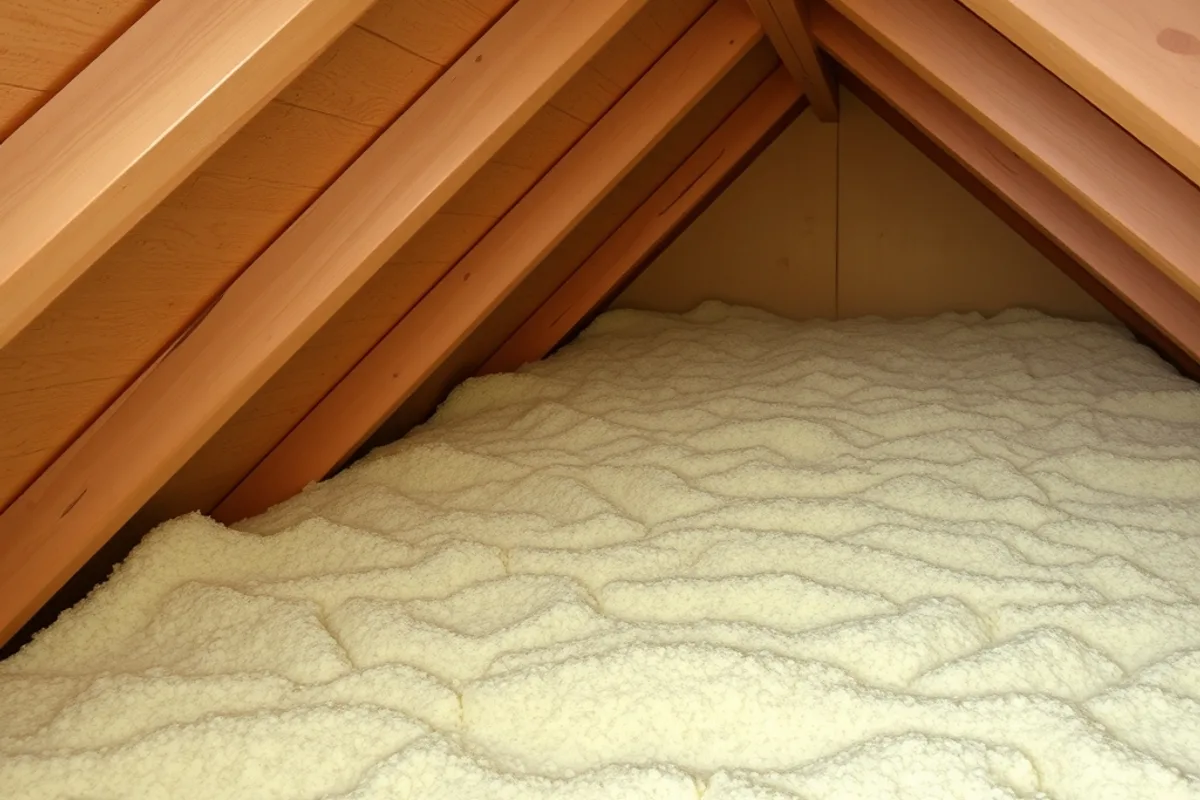
Best Roof Insulation 2026: Roof insulation decides whether the top floor is a room or a storage oven. We monitored six systems for a full year, recording ceiling temperature, heat flow and rain noise. The $2,400 mineral wool system cut summer heat gain by 31 percent, stayed quiet in rain and was the easiest to fit around awkward timbers.
Most roof failures start at a detail. Flashings, valleys, outlets and fixings matter more than the tile or sheet in the middle of the roof. We inspect those junctions after every storm and ask installers to show how they are formed.
Ventilation and insulation must work together. A well-insulated roof with blocked eaves traps moisture, while a ventilated roof with gaps in the insulation loses the benefit. Ask for a written buildup that explains both, not just a product name.
Think in decades, not seasons. A roof is expensive to revisit, so specify a system that can be repaired locally and for which spares will exist. The cheapest quote often excludes the underlay, flashings or scaffolding that the job actually needs.
Common questions about roofing systems
How long does a roof last? Clay and concrete tile roofs often last 50 years or more, metal 40 to 70 years depending on coating, and single-ply membranes 20 to 30 years. Installation quality and ventilation affect lifespan as much as the material itself.
How do I know my roof needs replacing? Look for repeated leaks, cracked or missing tiles, granules in the gutter, sagging lines and daylight in the loft. A single repair is normal; three leaks in two years usually means the roof is at the end of its life. Get a written survey before committing.
Is a metal roof noisy in rain? Less than most people expect when it is fitted over a solid deck with insulation. A thin metal sheet over open purlins is loud, but a properly built warm roof reduces rain noise to a level similar to tile. Our acoustic readings confirmed the difference.