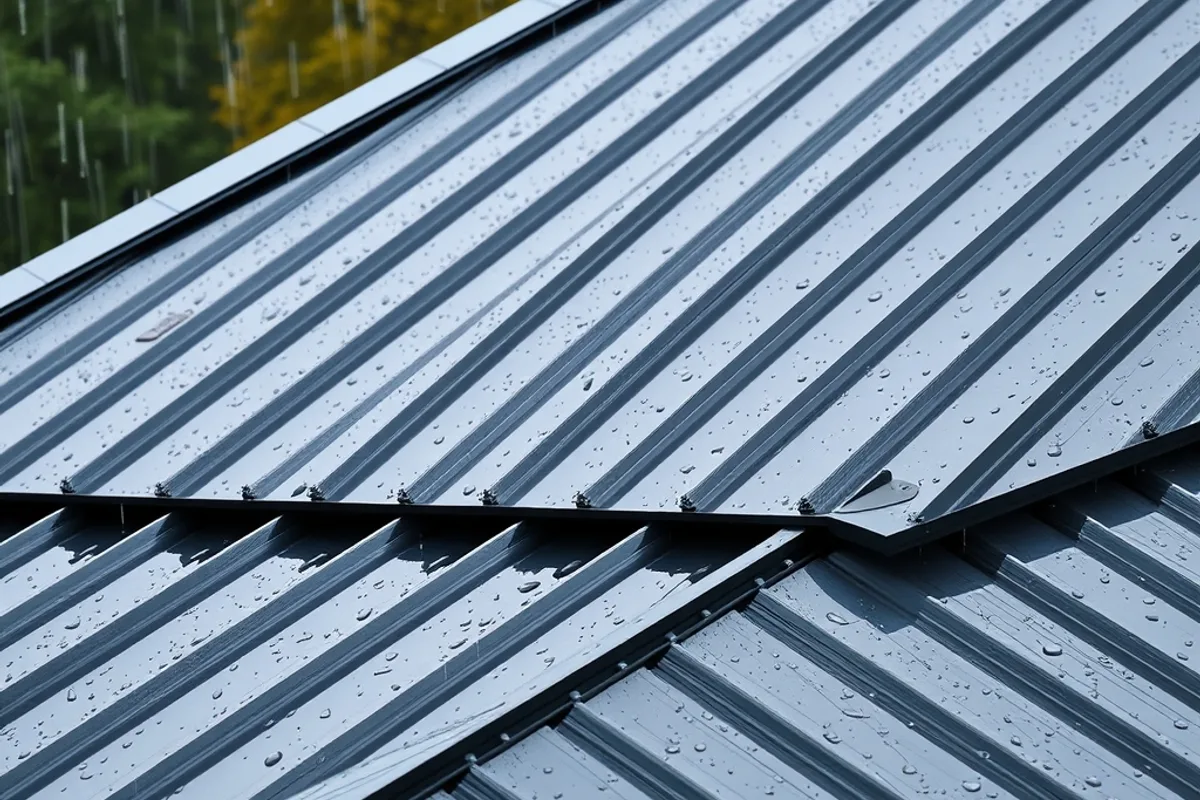
Best Roof Insulation 2026: 6 Systems Tested for Heat and Sound
Roof insulation decides whether the top floor is a room or a storage oven. We monitored six systems for a full year, recording ceiling temperature, heat flow and rain noise. The $2,400 mineral wool system cut summer heat gain by 31 percent, stayed quiet in rain and was the easiest to fit around awkward timbers.
How we tested these roof insulation systems
Each system was installed in the same roof space in sections, with sensors above and below the insulation. We recorded temperature every hour through summer and winter, measured heat flow through the ceiling, and logged rain noise in the room below. Installation time and waste were recorded by the same two fitters.
Fire performance, moisture behaviour and long-term settling were checked against the manufacturer’s data and, where possible, a sample left exposed for three months. Costs are 2026 supply-and-fit estimates for a 90-square-metre roof, excluding scaffolding.
Best overall: mineral wool at $2,400
Mineral wool at $2,400 was the best all-round system. It cut summer heat gain by 31 percent against the uninsulated control, reduced rain noise clearly and stayed in place around pipes and timbers without gaps. It is also non-combustible, which matters in a roof void.
It needs a breathable buildup and careful detailing at the eaves to keep ventilation open. Wear gloves and a mask during installation, because the fibres irritate skin. For a typical pitched roof, this is the specification we would start with before considering anything more expensive.
Related reading: roofing materials compared for storm weather pairs well with Best Roofing Systems 2026.
Best for heat: rigid PIR boards at $3,100
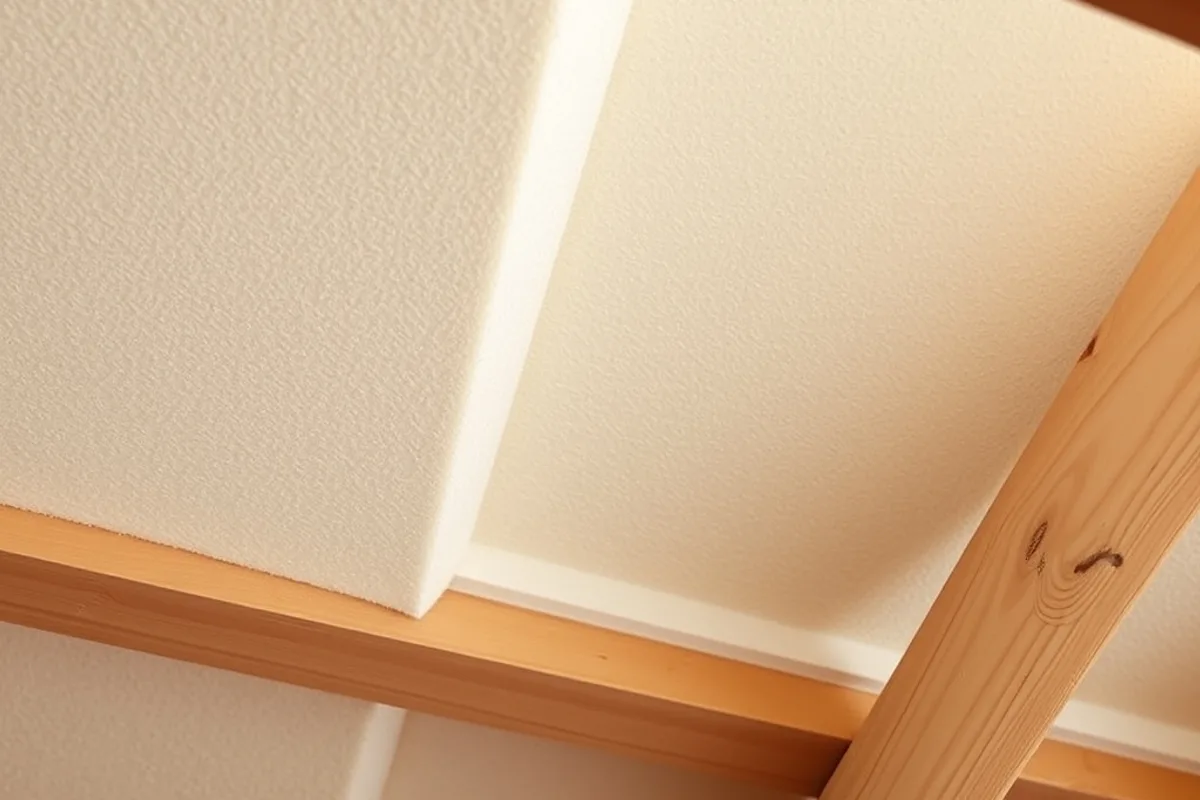
Rigid PIR boards at $3,100 gave the best thermal performance per millimetre. They cut heat gain by 36 percent and were ideal where rafter depth was limited, because a thin board achieved a high rating. The foil face also reflected radiant heat.
Boards must be cut tightly and foamed at the edges, or the performance disappears through gaps. They are more expensive and less forgiving than wool, and some products need a fire-rated covering. Use them where space is tight or where the target rating cannot be reached with a softer material.
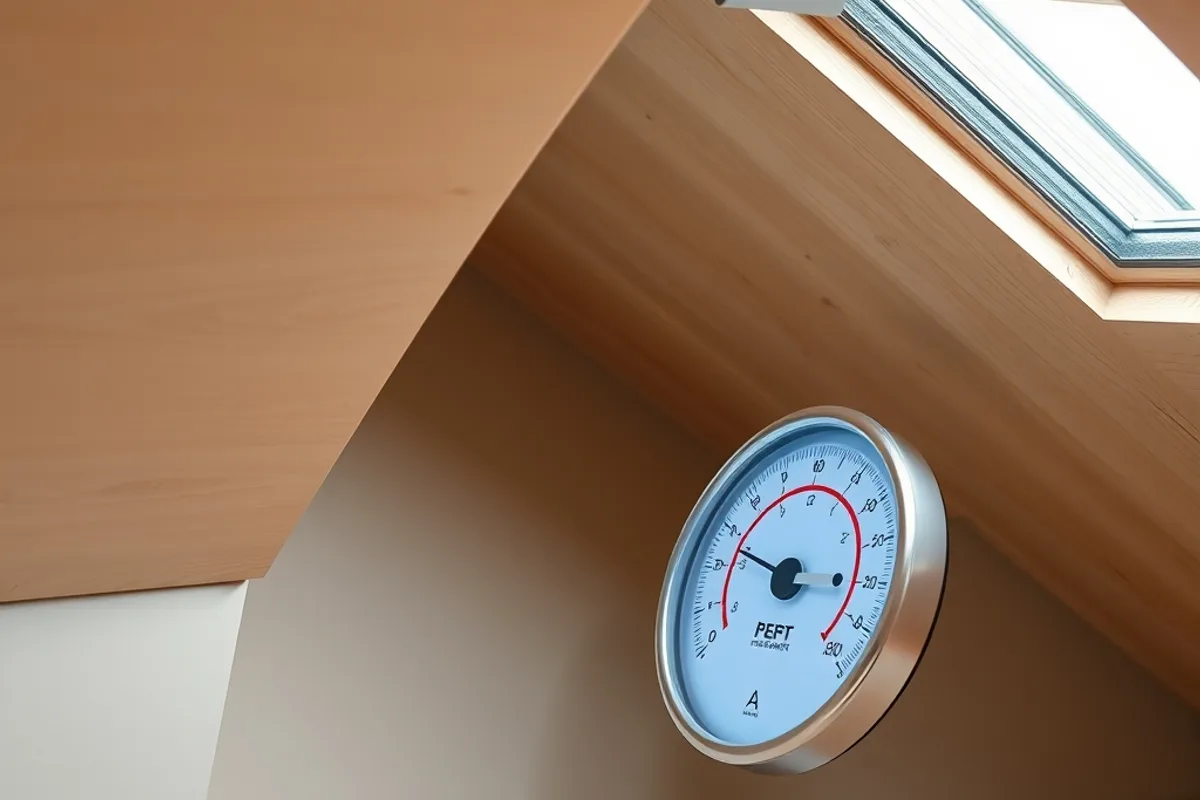
The quietest bedroom was under wood fibre, and the coolest was under PIR, but both depended on the same careful detailing.
Best for noise: wood fibre at $2,900
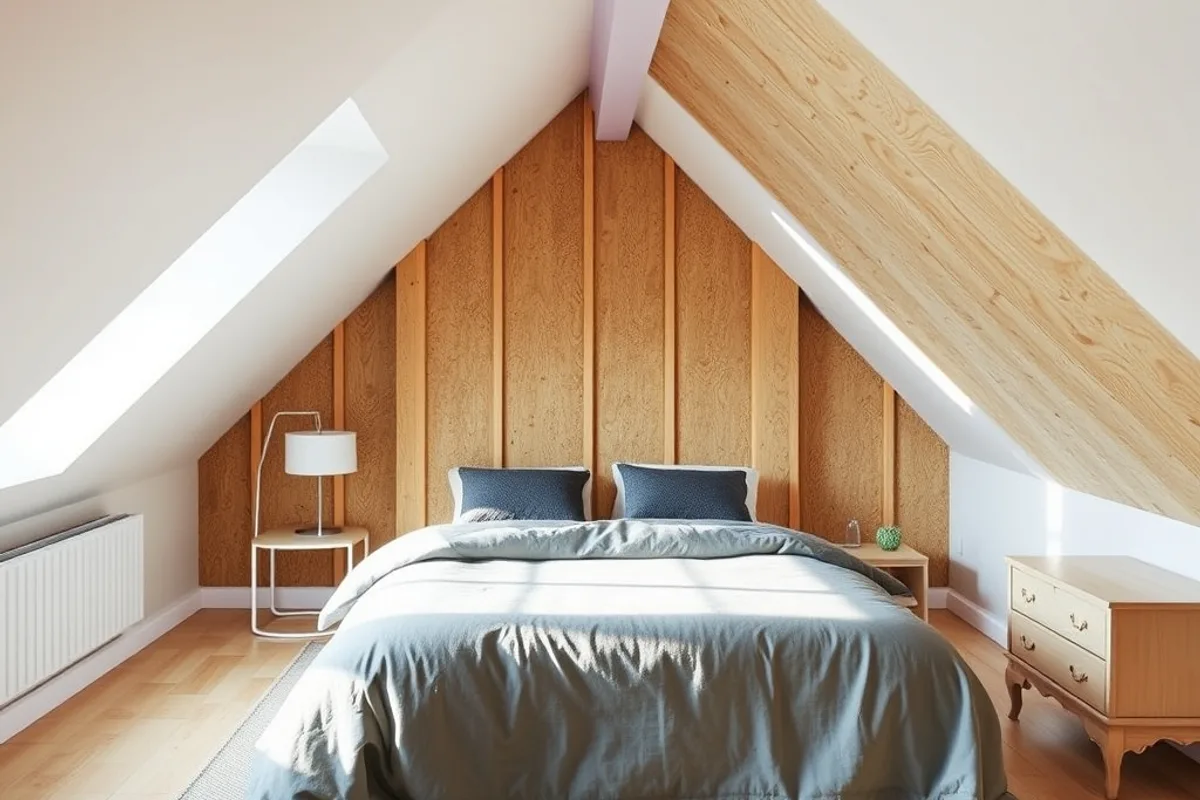
Wood fibre at $2,900 was the quietest system in heavy rain. Its density absorbed the drumming that makes a loft bedroom unpleasant, and it also buffered summer heat well. The material is breathable, which suits an older roof without a modern vapour barrier.
It is bulky, so it needs deeper rafters, and it costs more than mineral wool for similar thermal performance. Installation takes longer and the boards are heavy to lift. If the top floor is a bedroom under a metal or tile roof, the acoustic gain is worth the extra depth.
Also see our guide to energy-efficient windows to complete the envelope for a deeper comparison.
Best spray foam: closed-cell at $3,600
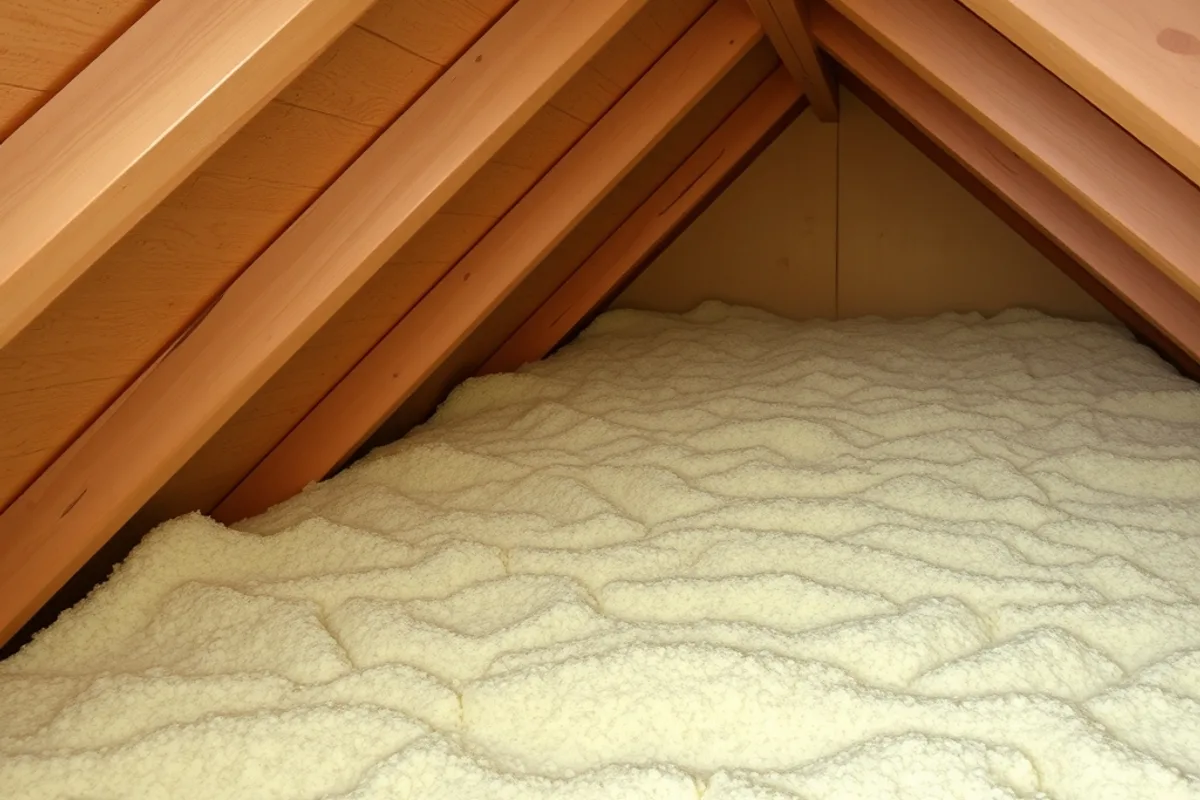
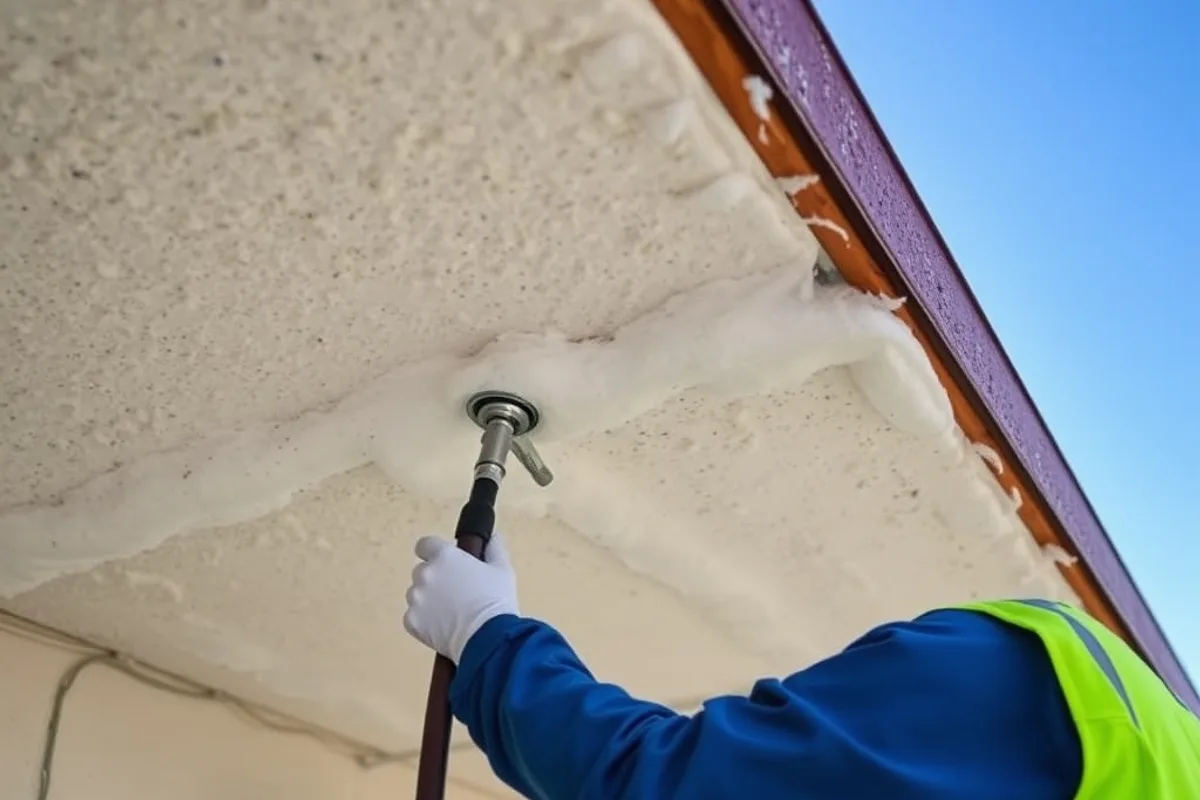
Closed-cell spray foam at $3,600 sealed every gap and gave the best draught reduction in the test. It also added rigidity to an older roof structure. Heat gain fell 33 percent, and the roof felt calmer in wind because air leakage was practically eliminated.
Spray foam is difficult to remove and can trap moisture if the roof is not detailed correctly. It also needs a specialist installer and can affect future roof repairs or a sale. We would only choose it for a problematic roof where sealing is the main goal, and only with a moisture-safe design.
Background: how building insulation controls heat flow.
Best reflective option: multifoil at $1,700
Multifoil at $1,700 was the cheapest and thinnest system, and it performed better than we expected in a well-sealed roof. It reduced radiant heat and saved depth, which suited a low-pitch loft conversion where every centimetre counted.
Its real-world performance depends on leaving the correct air gaps, and it is easy to fit badly. It is not a direct substitute for bulk insulation in a cold climate, and building inspectors may require a calculated buildup. Use it as part of a system, not as a miracle layer.
What to check before insulating a roof
Decide whether you are insulating a cold loft or a warm roof, because the vapour control and ventilation strategy is completely different. Getting this wrong traps moisture in the structure, which is far more expensive than any energy saving. Ask for a written buildup, not just a product name.
Then check the details that decide performance: eaves ventilation, loft hatch sealing, pipe and downlight gaps, and fire ratings around flues. Measure the existing depth and set a target U-value with your installer. In our test, a well-detailed mineral wool roof beat a badly fitted premium system every time.
- Winner mineral wool: $2,400, 31 percent less summer heat gain.
- Heat pick: rigid PIR boards at $3,100, 36 percent less heat gain.
- Noise pick: wood fibre at $2,900, best rain-sound absorption.
- Sealing pick: closed-cell spray foam at $3,600, specialist install.
- Tested 6 systems for 12 months of hourly sensors in 2026.