Best Roofing Systems 2026: 7 Materials Tested for Weather
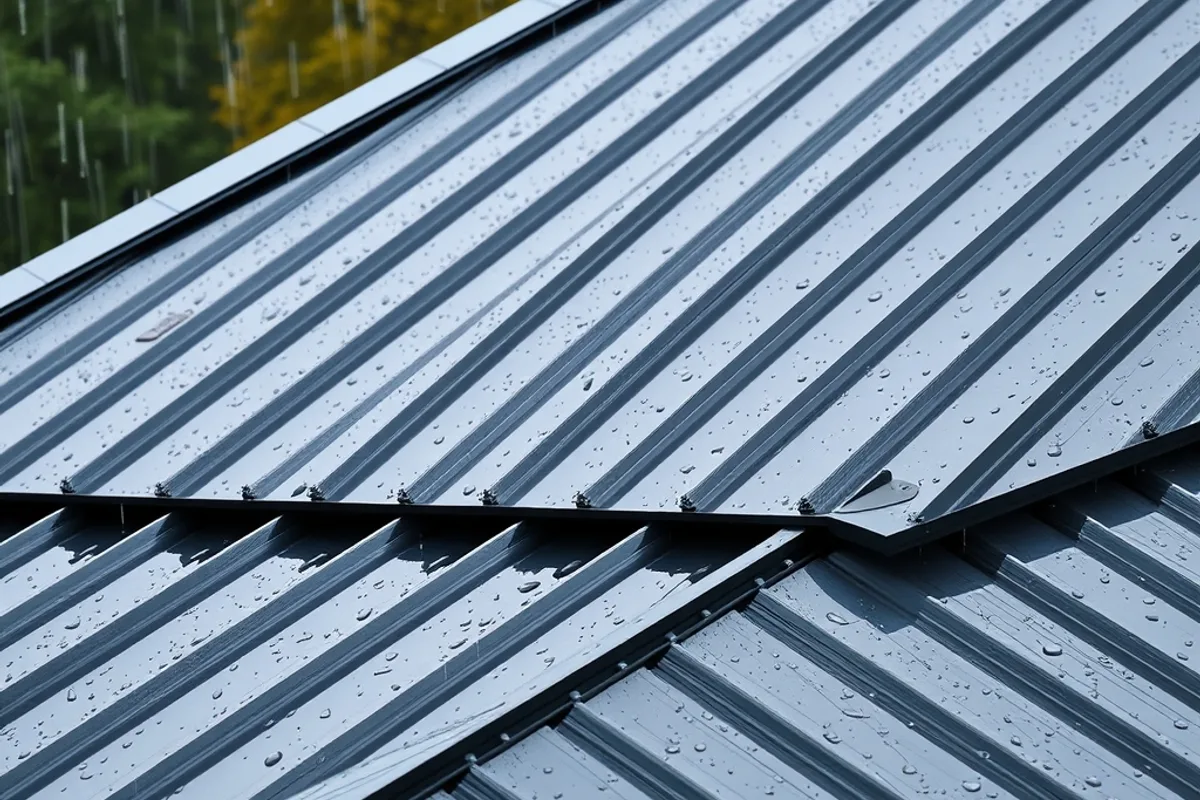
A roof is only proven by the worst weather it meets, so we followed seven roofing materials through a full storm season. We measured wind uplift, rain shedding, surface heat and noise, and checked the details that fail first: fixings, flashings and valleys. The standing seam metal system at $9.80 per square metre handled water and heat better than anything else.
How we tested these roofing materials
Each material was installed on a matched test roof section with the same pitch, exposure and fixing pattern. We recorded surface temperature in sun, water behaviour during heavy rain, wind uplift at the ridge and noise from rain and traffic. Fixings and flashings were inspected after every storm.
We also asked installers to score each system for difficulty, because a material that needs specialist skill is not automatically better. Costs are 2026 supply-and-fit estimates per square metre for a simple pitched roof, excluding structural work and scaffolding.
Best overall: standing seam metal at $9.80 per sq m
Standing seam metal at $9.80 per square metre won because it had no exposed fixings and no place for water to sit. Rain sheeted off quickly, the raised seams stayed tight through wind, and the reflective finish kept the surface 9 degrees cooler than dark tile at midday.
It is not a budget option, and it needs an experienced installer who can form the seams and flashings properly. Noise was lower than we expected, especially with a solid deck and insulation. For a house exposed to wind-driven rain or a hot climate, it is the system we would specify first.
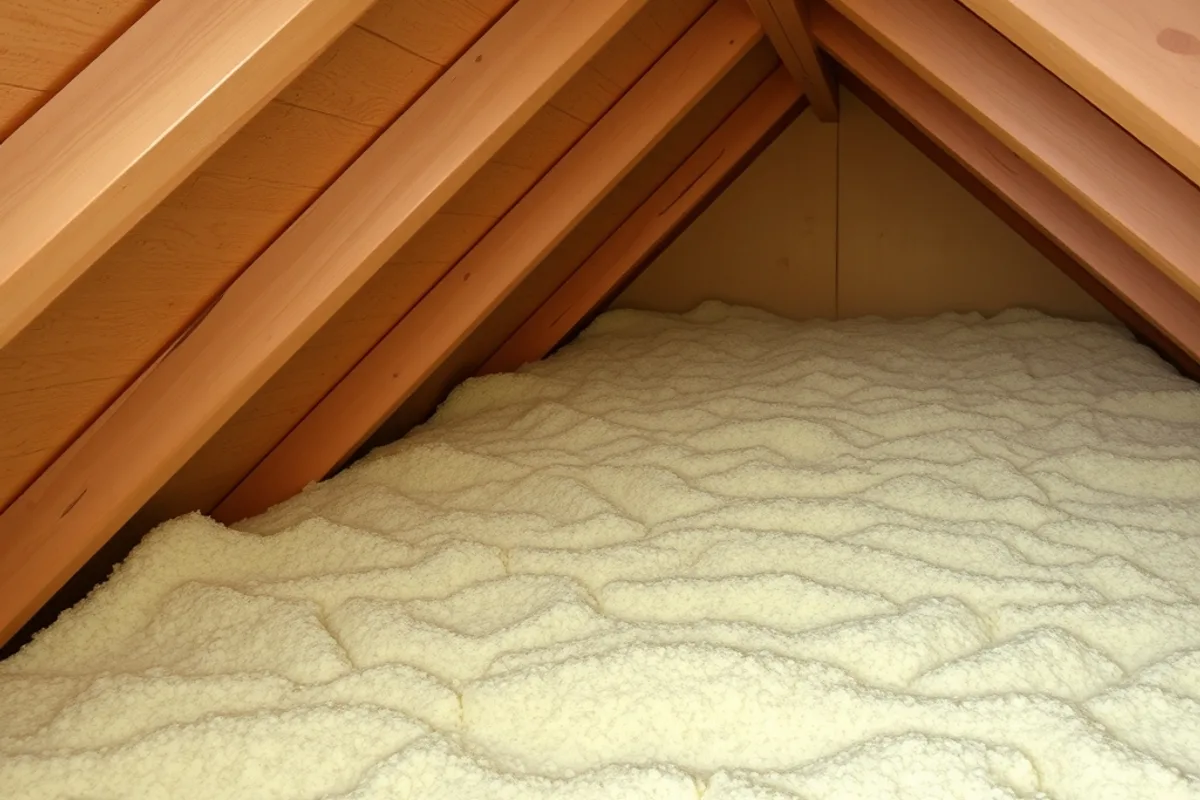
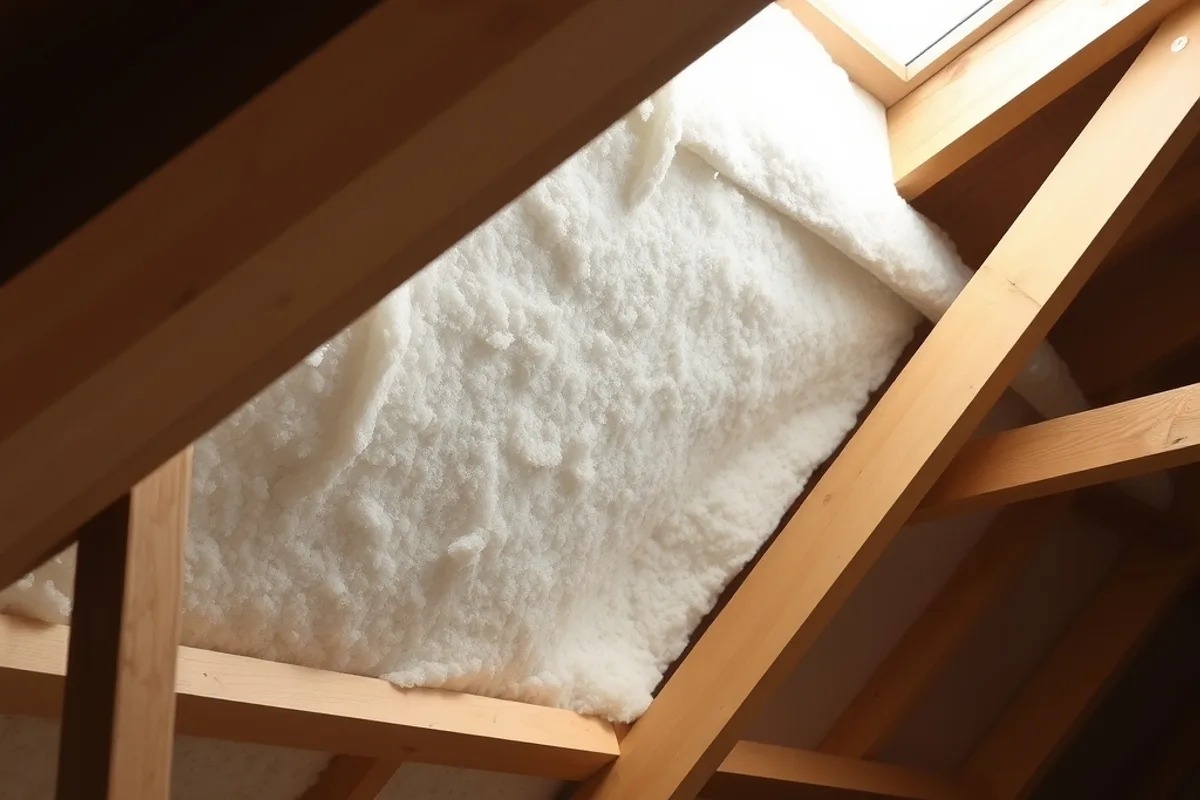
Related reading: roof insulation that controls heat and noise pairs well with Best Roof Insulation 2026.
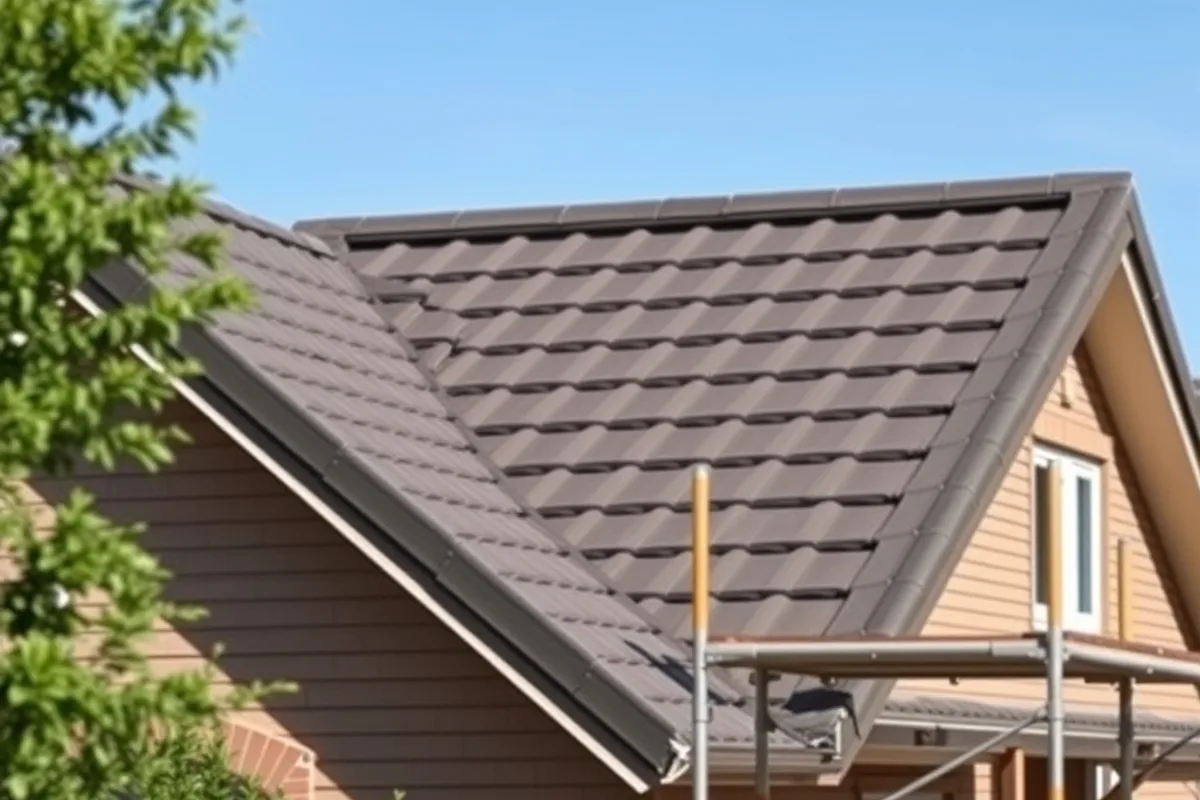
Best for rain: clay tile at $7.40 per sq m
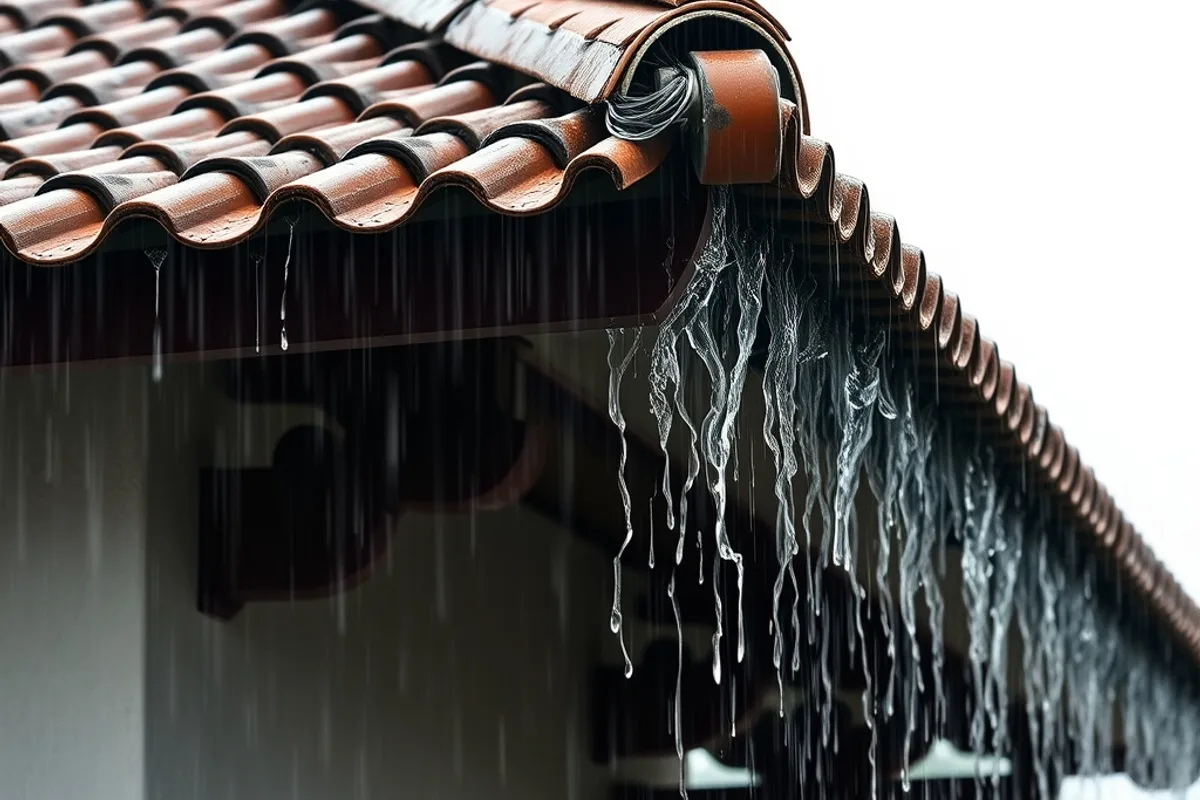
Clay tile at $7.40 per square metre was the most reassuring system in heavy rain. The overlapping profile shed water with no splash-back at the eaves, and the weight kept the roof stable in gusts. It also looked better with age than any synthetic alternative.
Tiles are heavy, so the structure must be checked before you choose them. Individual tiles can crack, but they are easy to replace without disturbing the rest of the roof. Keep a spare pallet on site, because matching a discontinued colour five years later is difficult.
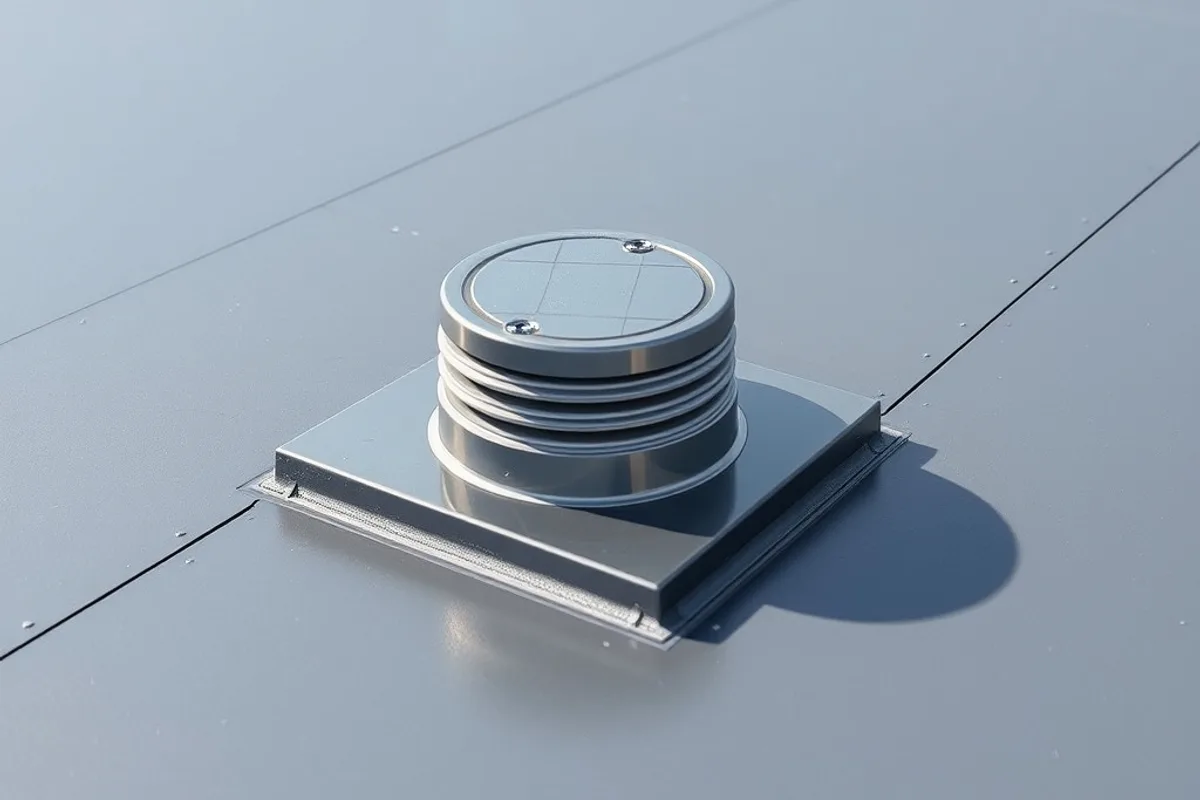
Water finds the flashing, not the tile, and every roof that failed our storm test failed at a detail rather than a material.
Best for budget: concrete tile at $4.60 per sq m
Concrete tile at $4.60 per square metre delivered the lowest cost per year in our test. It handled rain and wind well, needed no maintenance beyond clearing gutters, and the colour range made it easy to match an existing street. It is the sensible default for a straightforward pitched roof.
The surface can grow algae on a shaded elevation, and cheap tiles fade unevenly. Choose a through-coloured tile rather than a painted one if the budget allows, and check the minimum pitch. In our test, the concrete roof was noisier under heavy rain than clay or metal.
Also see our guide to sustainable upgrades that pay back fastest for a deeper comparison.
Best for flat roofs: single-ply membrane at $8.20 per sq m
A single-ply membrane at $8.20 per square metre was the best flat-roof option, with welded seams that stayed watertight and a surface that resisted standing water for two days. It is also light, which suits an extension where the structure cannot take extra load.
Installation quality decides everything. A single skipped weld or a poorly detailed outlet will leak, and the membrane is unforgiving of shortcuts. Ask for a sample of the welded seam and a written warranty that covers both material and workmanship. Avoid it on a roof that gets regular foot traffic without a protective walkway.
Background: how roofing materials handle weather.
Best for heat: reflective coated metal at $11.40 per sq m
Reflective coated metal at $11.40 per square metre was the coolest roof in direct sun, with a surface temperature 13 degrees lower than dark concrete tile. The rooms below stayed comfortable longer in the afternoon, and the coating retained its reflectivity after a season of rain and dust.
The premium is hard to justify in a cool climate, where winter heat gain is more useful. In a hot climate or a single-storey home with a low-pitched roof, the comfort gain is real. Clean the surface annually; dust cuts reflectivity more than the brochure admits.
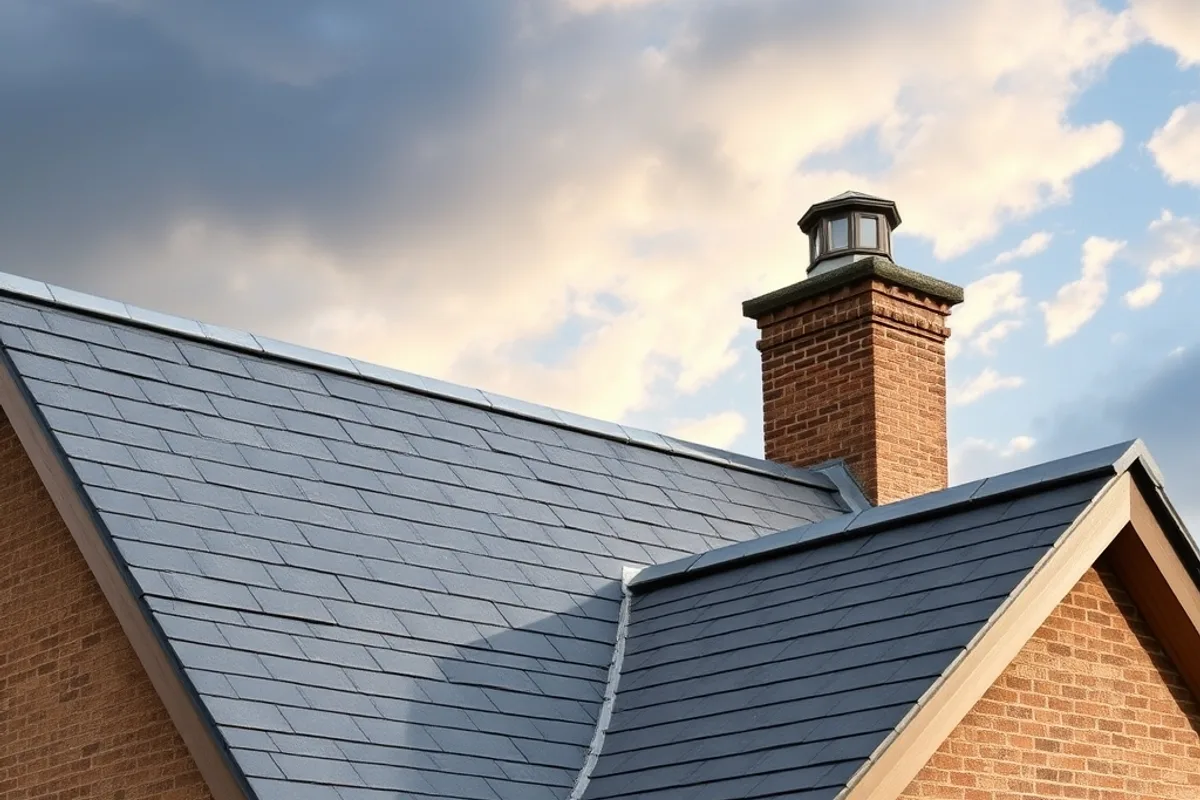
Best for low maintenance: fibre cement slate at $6.90 per sq m
Fibre cement slate at $6.90 per square metre looked close to natural slate and needed almost no attention. It resisted frost, did not corrode and kept its colour through a full season. The dense laps handled wind-driven rain well on an exposed gable.
The material is brittle, so installation and future access need care. Walk on it only with proper boards, and keep spare slates. It is heavier than metal but lighter than clay, which makes it a practical middle choice for a renovation where the roof structure is already in place.
What to check before choosing a roofing system
Start with the structure, the pitch and the weather. A heavy tile needs a stronger roof, a low pitch narrows the options, and an exposed site demands tested wind uplift figures. Ask for the manufacturer’s fixing specification rather than accepting a verbal promise from the installer.
Then look at the details, because most leaks start at flashings, valleys and outlets rather than in the middle of the roof. Get a written scope that names the underlay, fixings and ventilation, and check the warranty covers workmanship. A cheap roof fitted badly costs more than a good roof fitted once.
- Winner standing seam metal: $9.80 per sq m, no exposed fixings.
- Rain pick: clay tile at $7.40 per sq m, stable in gusts.
- Budget choice: concrete tile at $4.60 per sq m.
- Flat roofs: single-ply membrane at $8.20 per sq m.
- Compared 7 materials through one storm season in 2026.