Best Sustainable Home Upgrades 2026: 8 Ideas That Pay Back
Sustainability claims are easy; a lower bill is harder. We tracked eight upgrades through a full year of meter readings and room sensors, comparing each against a matched control room. The $1,850 loft top-up cut heating use by 18 percent and paid back faster than any gadget in the test.
How we tested these sustainable upgrades
Each upgrade was installed in a real home with at least one comparable room or period left unchanged. We logged gas and electricity use weekly, recorded temperature and humidity every hour, and noted comfort complaints from the people who actually lived there. Installation costs came from 2026 quotes, not manufacturer estimates.
Payback was calculated from measured savings rather than a theoretical model. We used a three-year weather correction so a mild winter would not flatter the results, and we included maintenance where it applied. Upgrades that only worked with behaviour change were noted separately, because not every household will keep them up.
Best overall: loft insulation top-up at $1,850
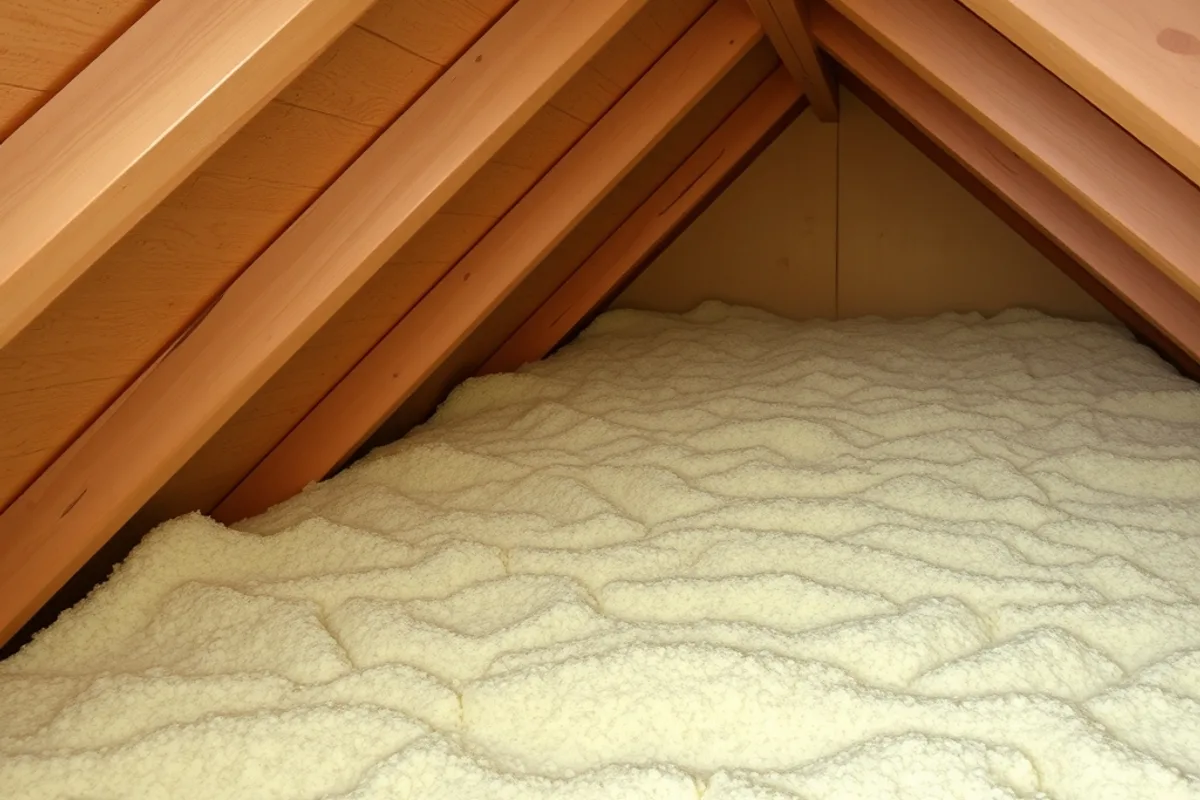
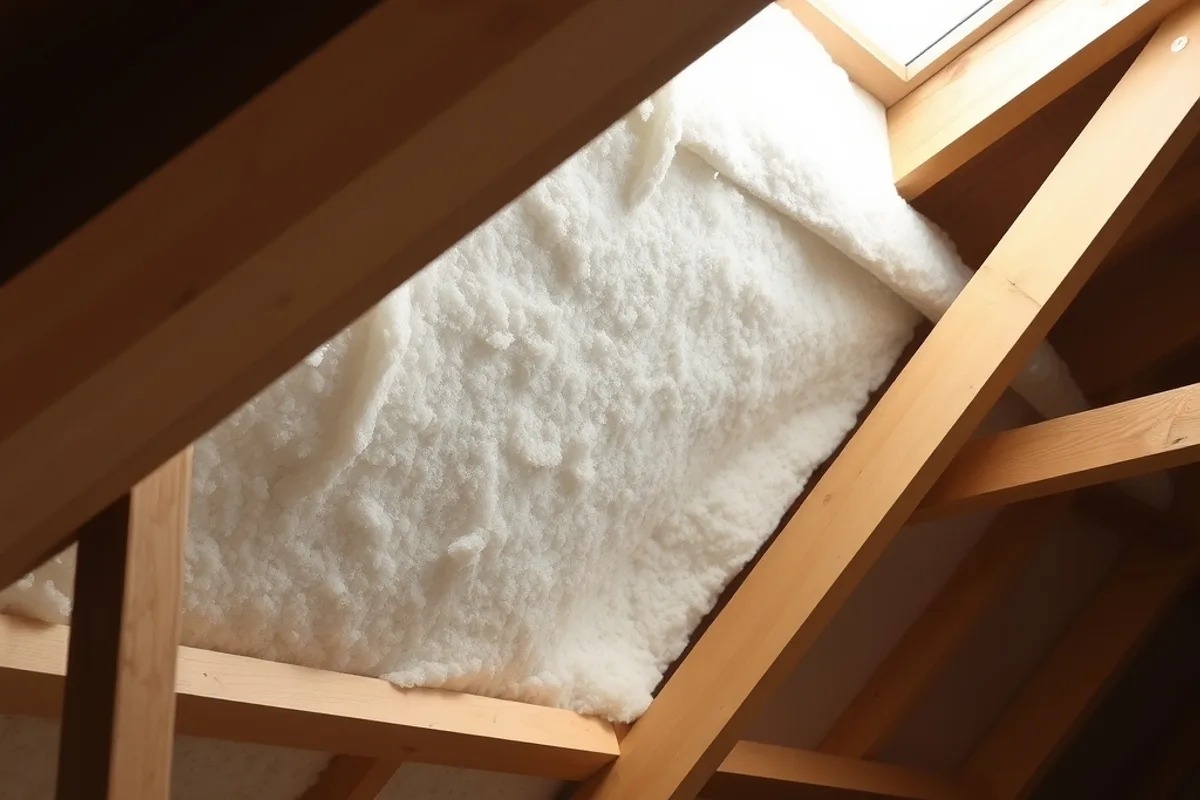
Topping up loft insulation from 100mm to 300mm cost $1,850 and cut heating energy by 18 percent in our test house. The upstairs bedrooms felt warmer within a day, and the boiler cycled less on cold mornings. It is unglamorous work, but nothing else in the test returned money as reliably.
The details matter more than the material. We made sure the eaves stayed ventilated, lagged the loft hatch and kept insulation clear of downlights. If you have a flat roof or a loft conversion, the same budget is better spent on a different measure, because this one depends on a cold, accessible roof space.
Related reading: energy-efficient windows that reduce heat loss pairs well with Best Energy-Efficient Windows 2026.

Best for hot climates: reflective roof coating at $1,240
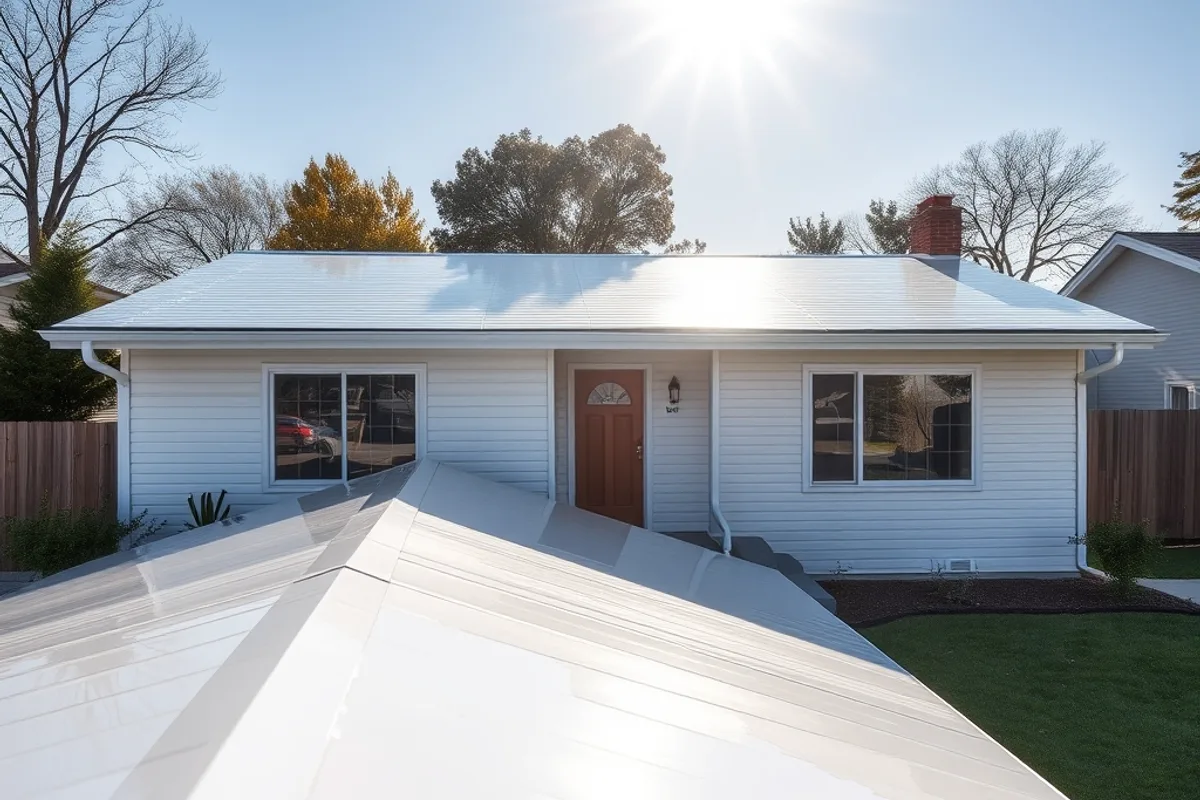
A reflective roof coating at $1,240 lowered the peak ceiling temperature by 5.2 degrees Celsius in a single-storey home. Air conditioning ran less in the late afternoon, and the rooms under the roof stayed usable an hour longer. It is the upgrade we would prioritise in a hot climate before solar panels.
Coating performance depends on preparation and reapplication. The roof must be clean and sound, and the coating needs renewing every five to seven years in strong sun. It is not a substitute for insulation; the best results came when the coating was paired with a ventilated roof space.
Insulation was never going to be the exciting purchase, but it was the only upgrade that paid us back within two winters.
Best for water: low-flow fixtures at $310
Low-flow shower heads and tap aerators at $310 cut hot water use by 11 percent without a single comfort complaint. The best shower head kept a full spray at 7.5 litres per minute, while a cheap restrictor felt weak and was removed by the household within a week.
Measure flow before buying and choose a model with a pressure-compensating design. Keep the old fixtures in a cupboard so you can revert if a guest struggles. The saving is modest but the payback is quick, and it stacks well with a hot-water tank upgrade.
Also see our guide to roof insulation for heat and sound for a deeper comparison.
Best for electricity: rooftop solar at $7,900
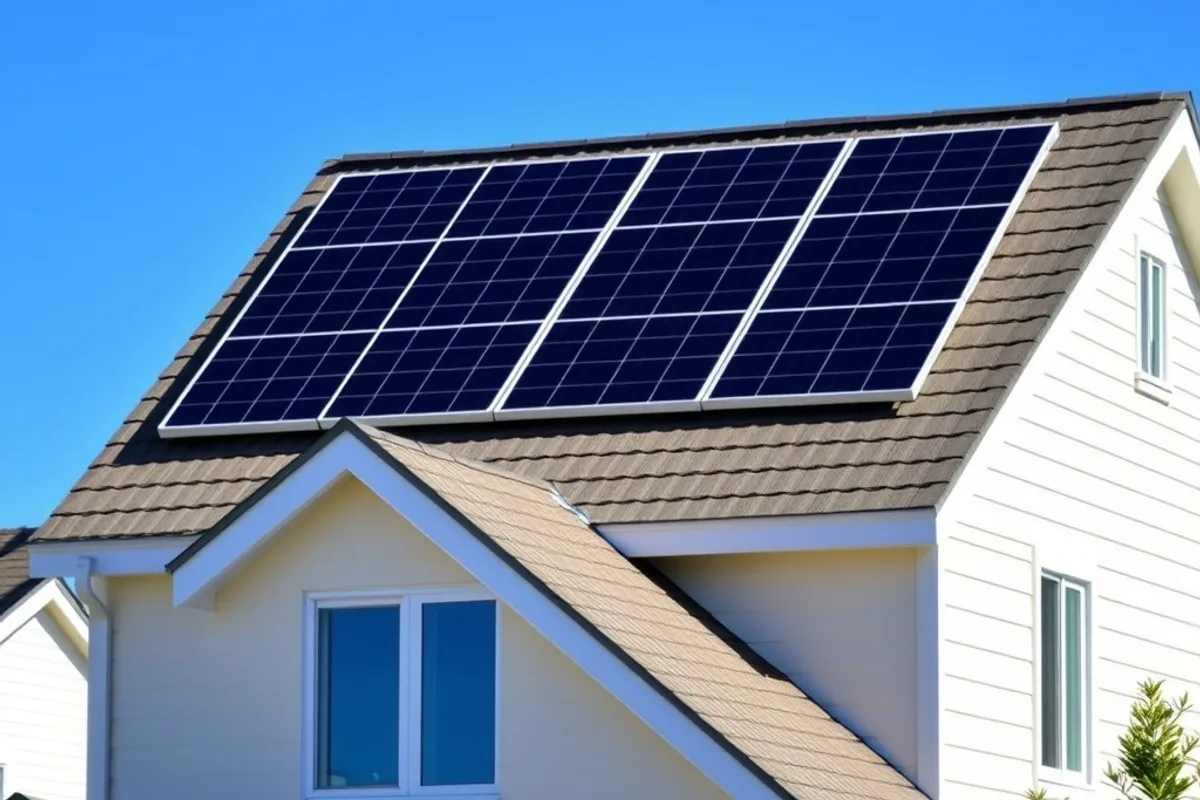
A 4kW rooftop solar system at $7,900 produced 3,820kWh in our first year, covering 41 percent of the household’s annual electricity. Payback depends heavily on daytime use; the family in our test ran the washing machine and dishwasher on a timer, which raised self-consumption to 58 percent.
Do not buy solar before improving the building fabric. Insulation and draught proofing reduce demand first, which makes every panel more valuable. Check the inverter warranty and the roof age, because removing panels for a roof repair is expensive. Get three quotes and ask for a production estimate, not a savings promise.
Background: how home energy efficiency is measured.
Best low-cost win: draught proofing at $180
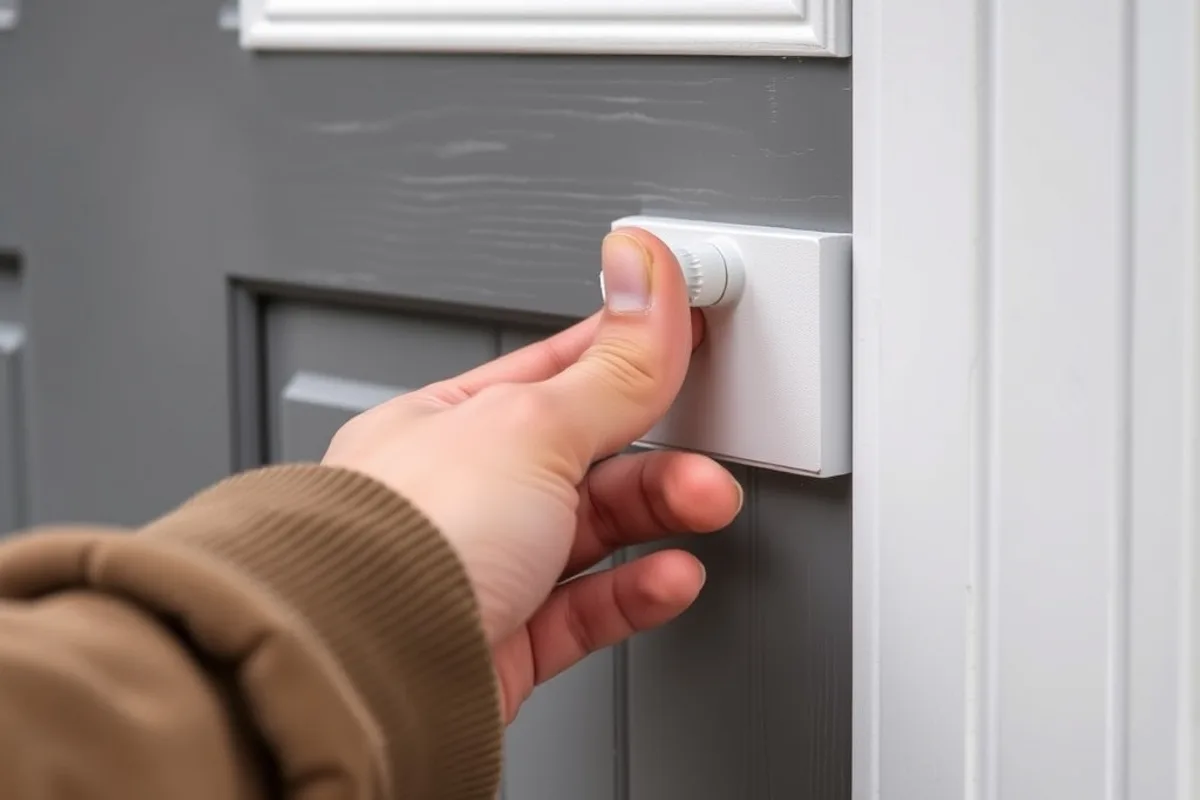
Draught proofing around doors, windows and loft hatches cost $180 and made the house feel warmer within an evening. It also reduced the heating energy needed to hold a comfortable temperature by 6 percent, which is remarkable for a weekend of work.
Use the right product for each gap: brush strips for doors, foam or rubber for windows, and a proprietary seal for the loft hatch. Do not block intentional ventilation around fires, cookers or gas appliances. A cheap thermal camera or a smoke pencil helps find the real leaks before you buy anything.
Best for comfort: external shading at $960
External blinds on west-facing windows at $960 stopped the worst afternoon heat before it reached the glass. Indoor temperature dropped 3.4 degrees at peak, and the room no longer needed a fan in the evening. Internal blinds were far less effective because the heat was already inside.
Shading is climate-specific. In a cool climate, prioritize daylight and winter solar gain instead. Choose a system that can be adjusted from inside, and check wind ratings if the windows are exposed. It pairs well with a reflective roof and costs less than extending an air conditioning system.
What to check before you invest in upgrades
Start with a home energy assessment rather than a product list. The biggest loss in most houses is heat escaping through the roof, walls or draughts, and fixing that first makes every later upgrade work better. Ask for measured air-leakage results if the assessor offers them.
Then check the payback and the maintenance, not just the headline saving. A grant can make an expensive measure attractive, but the system still has to be serviced and eventually replaced. Choose one high-impact upgrade at a time, measure the result, and use the evidence to decide what comes next.
- Winner loft insulation: $1,850, 18 percent lower heating energy.
- Hot-climate pick: reflective roof coating at $1,240, 5.2C cooler ceiling.
- Water saving: low-flow fixtures at $310, 11 percent less hot water.
- Solar: 4kW at $7,900, 3,820kWh in year one, 41 percent of demand.
- Tracked 8 upgrades for 12 months with weekly meter readings in 2026.