Best Energy-Efficient Windows 2026: 6 Glazing Options Tested
Windows are the weakest part of most walls, and the difference between glazing options is measurable in both bills and comfort. We monitored six units through a full winter, recording surface temperature, heat loss and traffic noise. The triple-glazed unit at $620 per window cut heat loss by 24 percent and was the quietest, but it was not the best value in every room.
How we tested these windows
Six units were fitted into a test room with matched indoor and outdoor sensors, one at a time, for two weeks each. We logged inner glass surface temperature, room heat loss with a controlled heater, condensation at dawn and traffic noise from the same road. Each frame was checked for draughts and ease of operation.
We calculated the whole-window cost including fitting, because a cheap unit with poor installation leaks more than a good one fitted properly. Comfort was scored by the people using the room, who did not know which glazing was installed during each period.
Best overall: triple glazing at $620 per window
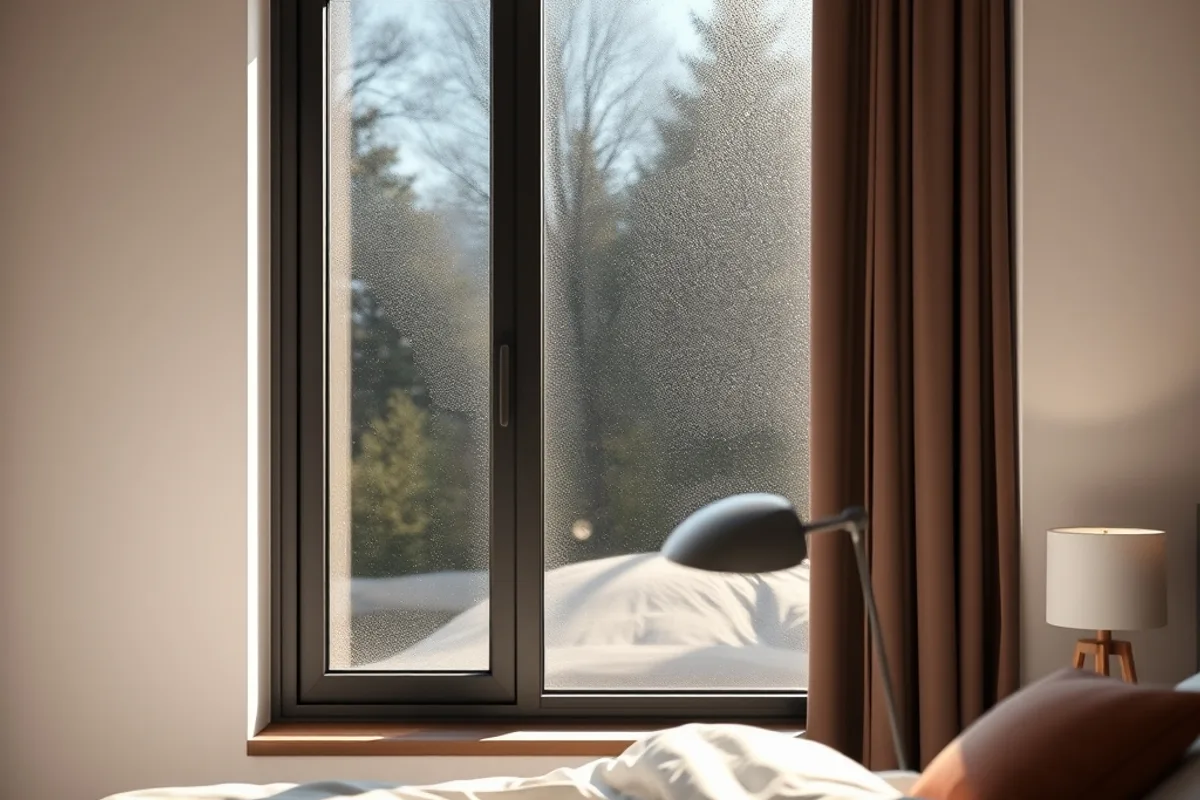
The triple-glazed unit at $620 per window was the best performer in every measurement. Heat loss fell 24 percent against the original double glazing, the inner pane stayed 3.1 degrees warmer on a cold morning, and traffic noise dropped noticeably. Condensation disappeared from the bedroom window entirely.
It is heavy, so check that the frame and hinges are rated for the extra weight, and expect a longer lead time. The payback is slow if you are only replacing one window, but it makes sense during a full renovation or in a noisy, exposed room where comfort matters more than a five-year return.
Related reading: sustainable upgrades ranked by payback pairs well with Best Sustainable Home Upgrades 2026.
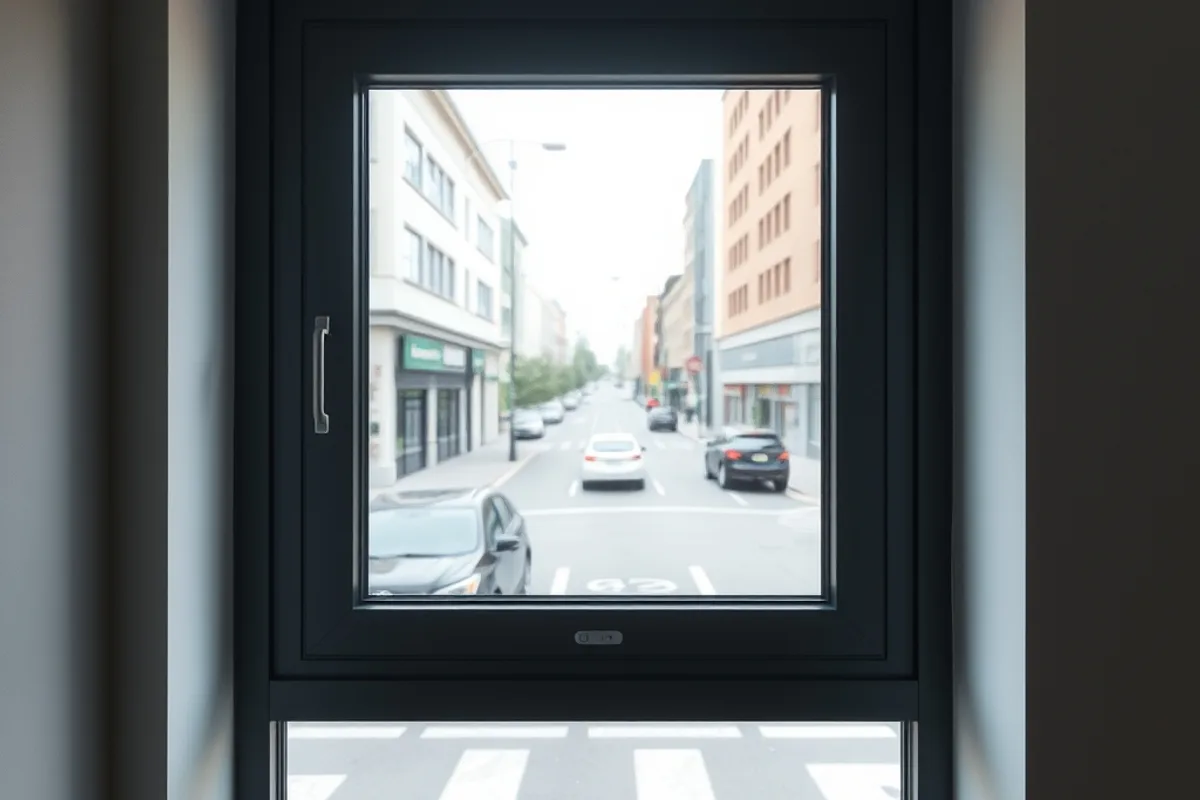
Best value: double glazing with warm edge at $340 per window
Double glazing with a warm-edge spacer at $340 per window delivered most of the benefit for a little over half the price. Heat loss fell 15 percent, the frame stayed dry, and the room felt less draughty. For a typical bedroom, this is the specification we would recommend first.
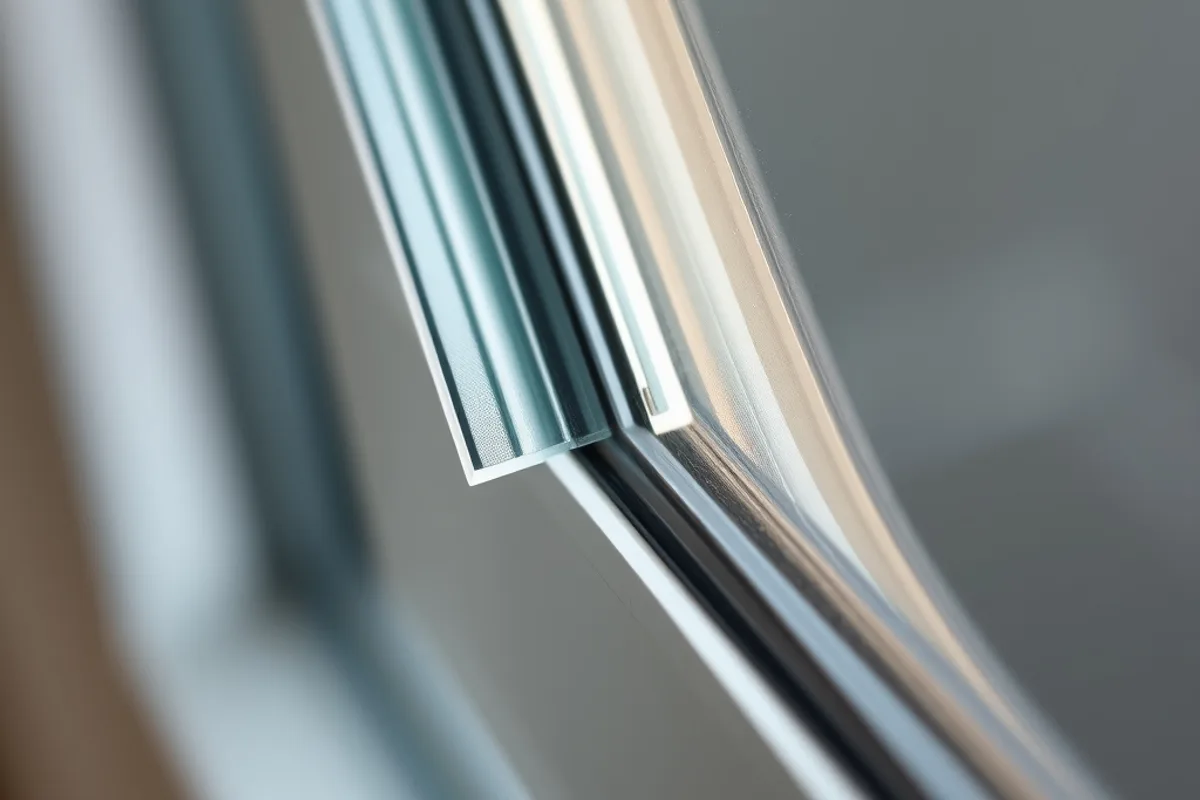
The gap between panes matters more than the number of panes alone. A 16mm argon-filled gap with a low-e coating performed far better than an old 6mm air gap. Ask for the whole-window U-value rather than the glass centre value, because the frame is often the weakest part.
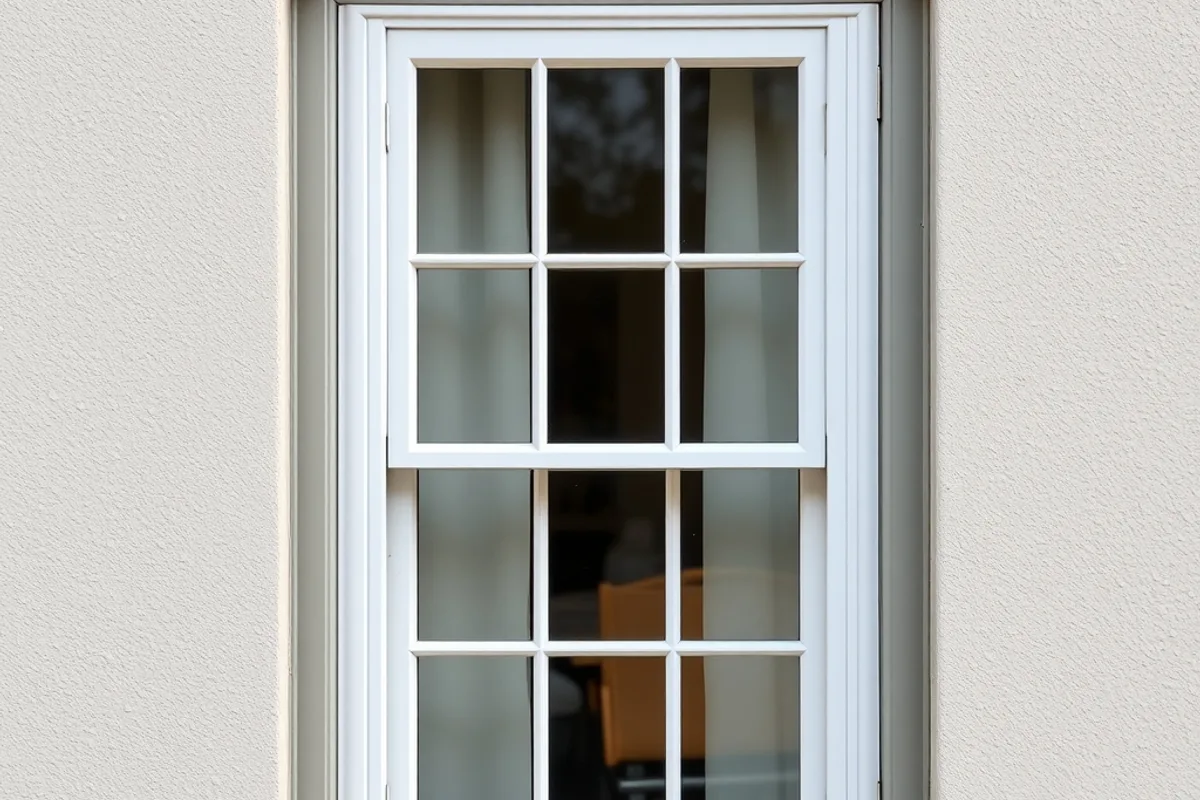
The quietest room in the house was the one with the best glass, and that was worth more to the family than the calculated saving.
Best for noise: laminated acoustic glazing at $470 per window
Laminated acoustic glazing at $470 per window was the specialist pick for a road-facing room. It did not beat triple glazing on heat, but it cut traffic noise by 7 decibels more than standard double glazing, which turned a room we avoided into one we used in the evening.
Acoustic performance depends on the glass make-up, not just the thickness. A laminated pane of different thickness from its partner breaks resonance better than two identical panes. Fit acoustic seals at the same time; a good unit with a leaky frame still lets noise through.
Also see our guide to kitchen styling that benefits from better glazing for a deeper comparison.
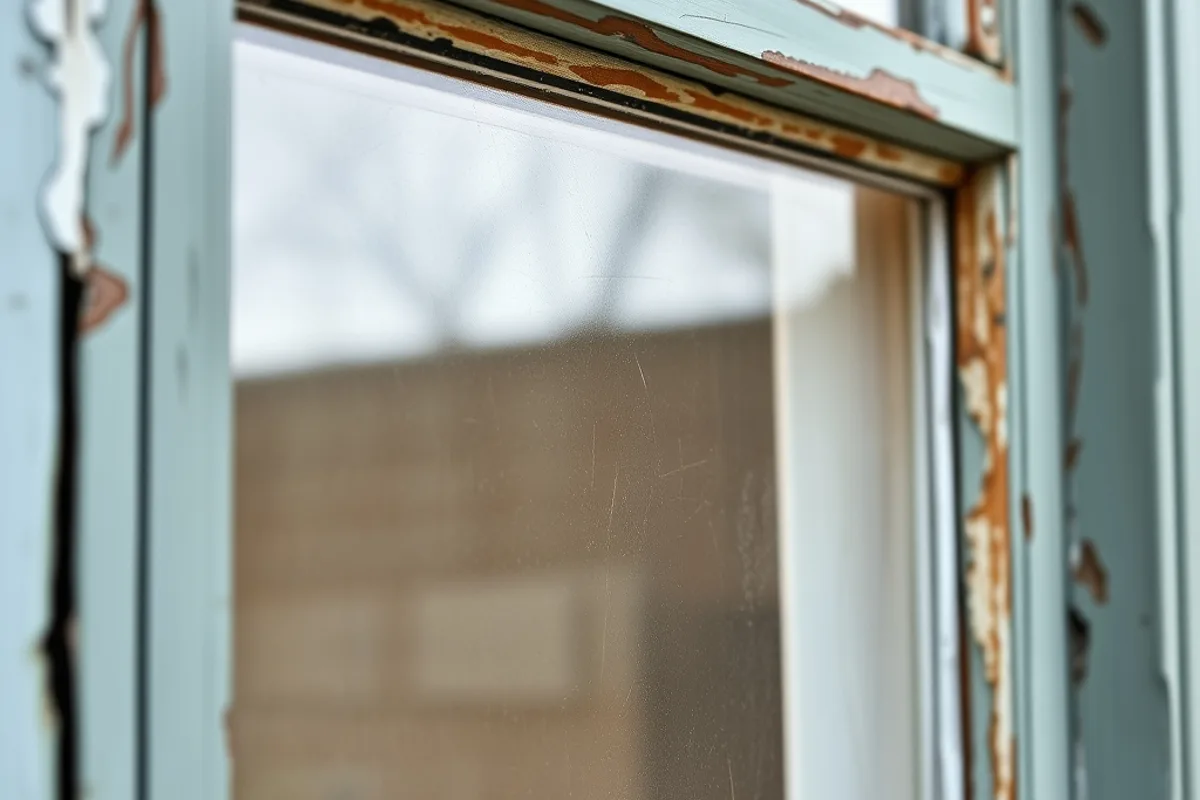
Best for period homes: slim double glazing at $520 per window
Slim double glazing at $520 per window suited a period property where bulky frames would have looked wrong. The unit fitted into the existing sash profile, preserved the street appearance, and reduced heat loss by 12 percent. Draughts around the sashes improved more than the glass itself.
Slim units have a narrower cavity, so they cannot match the thermal performance of a full 16mm gap. The gain comes from keeping original frames and adding proper seals and draught proofing. Check that the joiner is experienced with heritage work before committing, because the detailing is the hard part.
Background: how window glazing reduces heat transfer.
Best for budget: secondary glazing at $150 per window
Secondary glazing at $150 per window was the cheapest way to improve an existing single-glazed window. It cut draughts and noise clearly, raised the inner surface temperature and paid back quickly in a rented flat where the original windows could not be replaced.
It is not as tidy as a full replacement. The extra pane reduces sill depth, can trap condensation on the outer glass, and needs to be opened for ventilation. Choose a system that can be removed for cleaning, and accept that it is a compromise rather than a permanent upgrade.
What to check before buying energy-efficient windows
Ask for the whole-window U-value, the solar gain factor and the air-leakage rating, then compare those numbers across quotes. A low glass value with a poor frame and a rushed install can perform worse than a modest unit fitted carefully. Check the warranty on both glass and frame, and who honours it if the installer closes.
Plan the installation as carefully as the product. Ask how the frame is sealed, whether the reveal is insulated, and how the old unit is removed without damaging the wall. In our test, the best-performing installation used the same glazing as a mediocre one but spent an extra hour on sealing and alignment.
- Winner triple glazing: $620 per window, 24 percent less heat loss.
- Best value: double glazing with warm edge at $340 per window.
- Noise pick: laminated acoustic glazing at $470 per window, 7dB quieter.
- Period homes: slim double glazing at $520 per window.
- Tested 6 glazing options through one winter of sensor readings in 2026.