Best Flooring for High-Traffic Homes 2026: 6 Options Tested
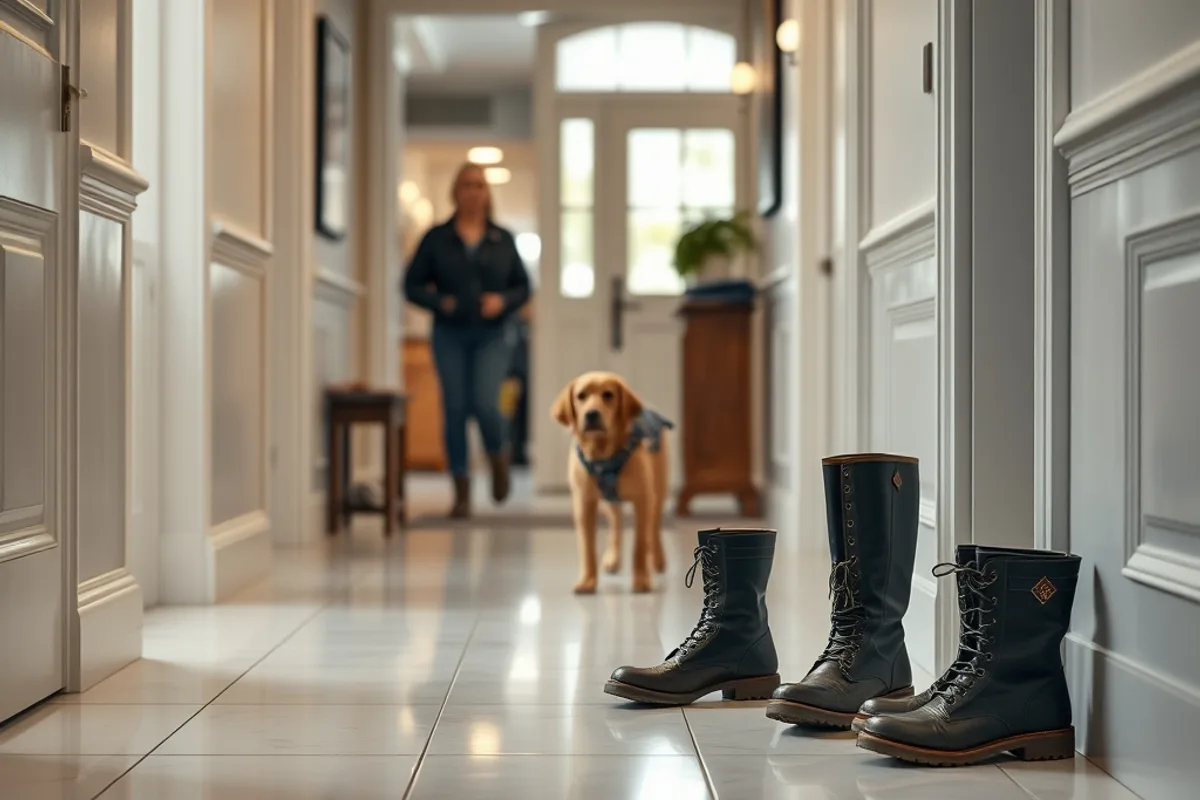
High-traffic flooring is not about surviving one party; it is about what the hallway looks like after a year of boots and a dog. We laid six options in busy households for eight weeks and counted scratches, dents and cleaning time. The porcelain tile at $5.10 per square foot stayed flawless, but it was not the right answer for every room.
How we tested these flooring options
The test ran in three homes with children, pets and frequent guests. Each floor covered a doorway and a seating area, and we walked the same route in boots after garden work. We recorded scratches at eye level and in raking light, dents from a dropped can, water marks and the time needed to clean a muddy footprint.
Comfort and noise were scored separately. We sat, stood and walked barefoot, then listened from the room below where possible. Installation complexity and repair options were noted, because a floor that cannot be patched cheaply becomes expensive over ten years.
Best overall: porcelain tile at $5.10 per sq ft
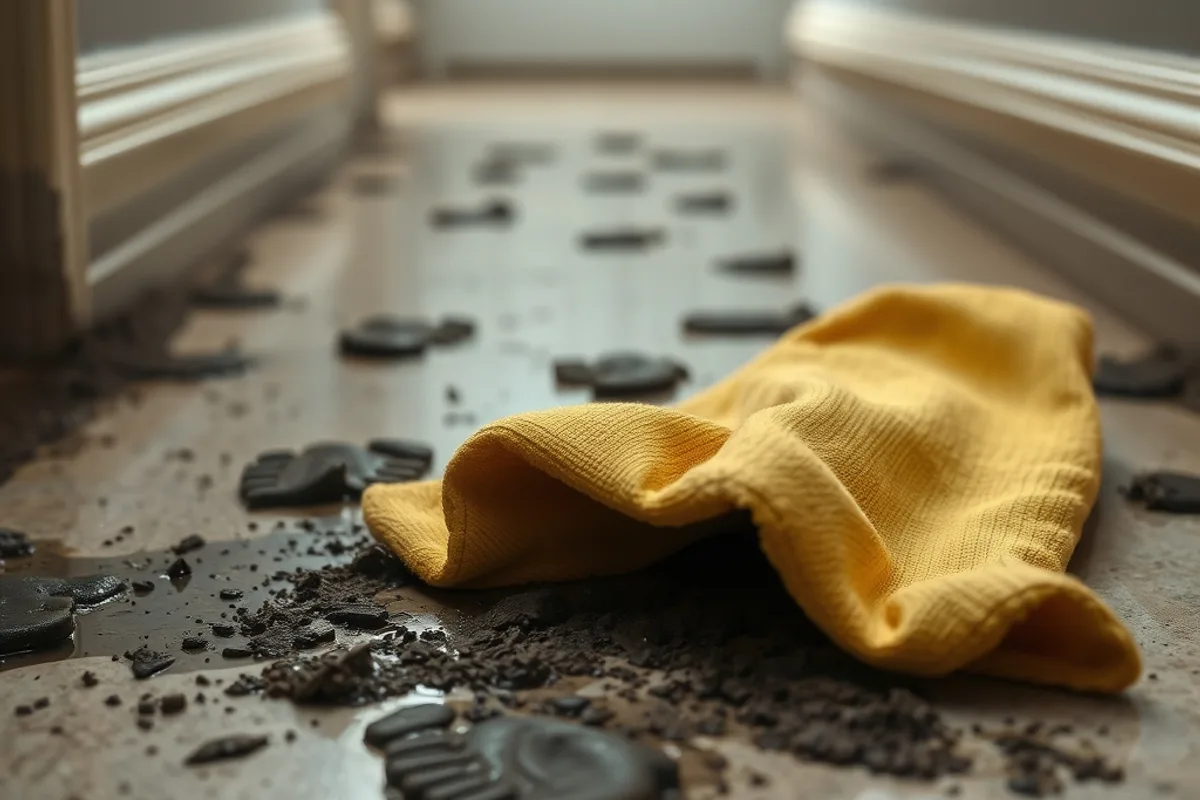
Porcelain tile at $5.10 per square foot was the clear wear winner. Boots, a dropped tin and a water bowl left no mark, and a muddy footprint cleaned in one wipe. In a hallway that takes the worst of the weather, it removed an entire category of worry.
It is hard and cold underfoot, and installation costs more than a floating floor. We would use it in an entrance, kitchen or utility room and choose something softer for a bedroom. Check the slip rating for wet areas and keep a spare box for future repairs.
Related reading: vinyl plank options for kitchens and rentals pairs well with Best Luxury Vinyl Plank Flooring 2026.
Best for living rooms: engineered oak at $6.40 per sq ft
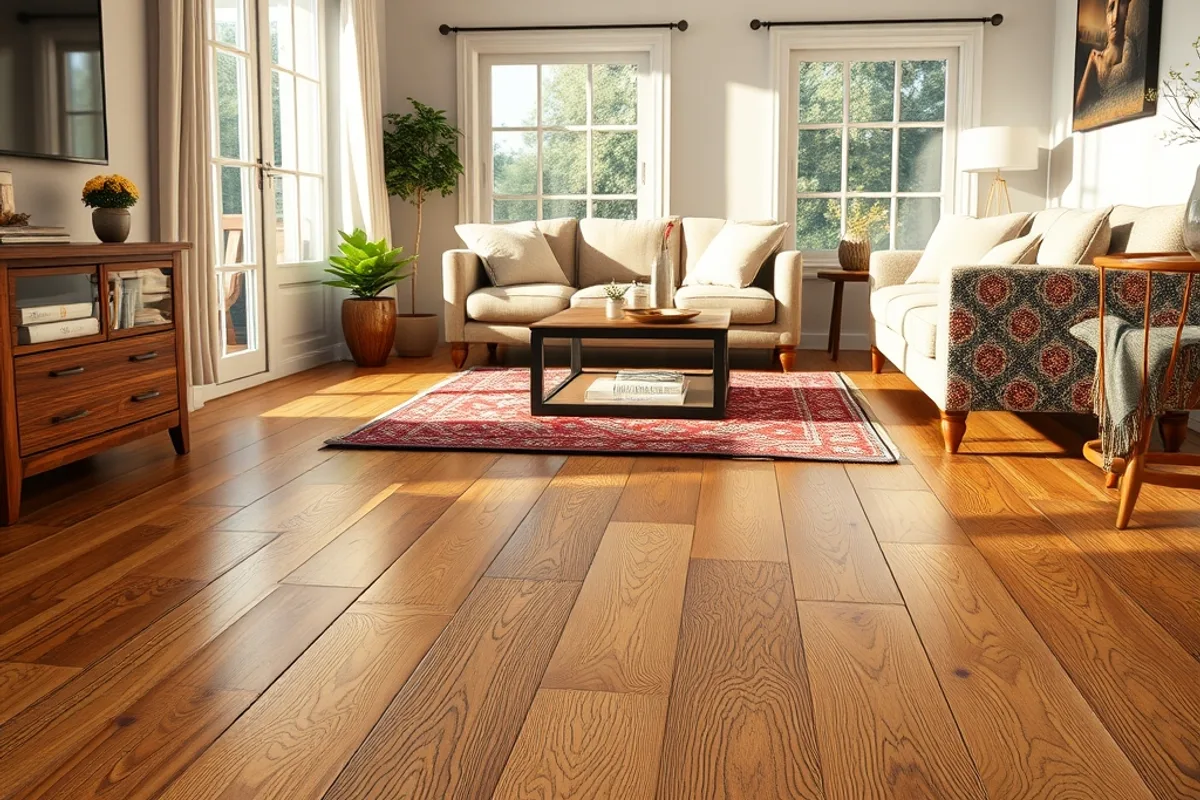
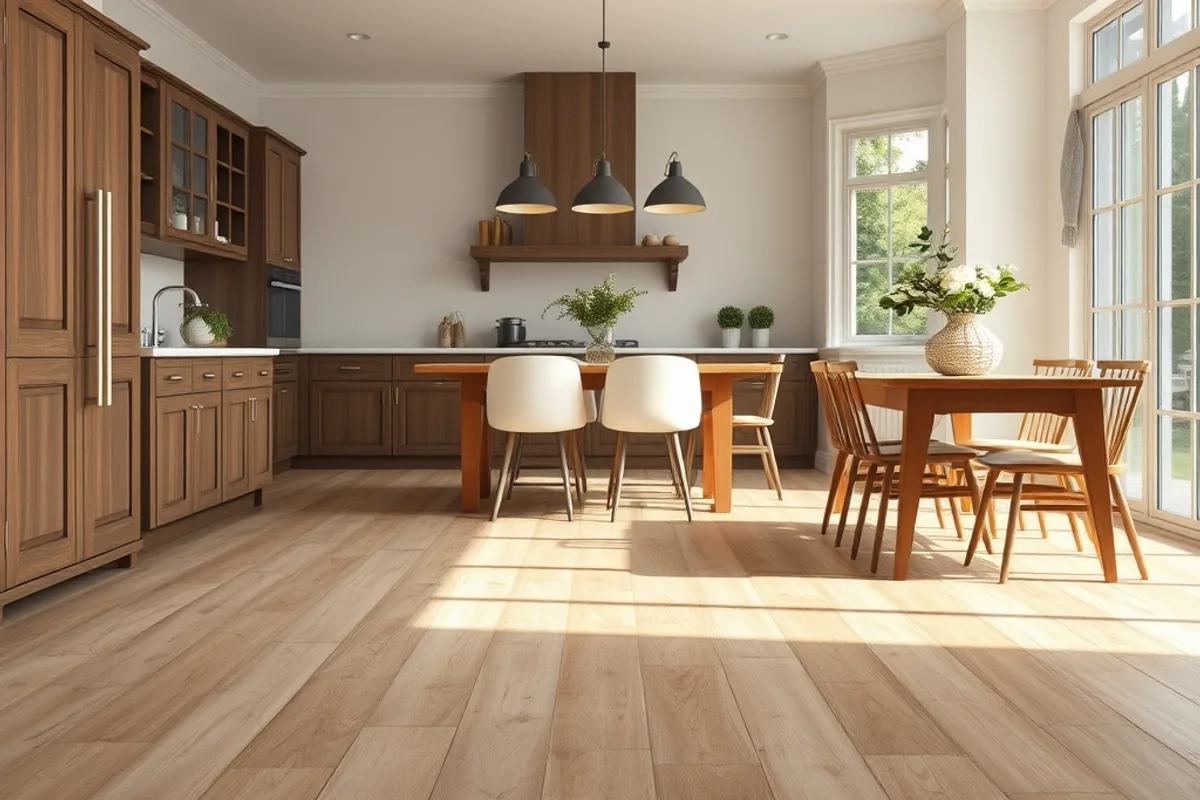
Engineered oak at $6.40 per square foot was the most comfortable floor in the test and the one guests noticed. The wood softened sound, felt warm underfoot and aged gracefully, with small marks blending into the grain rather than standing out.
It needs more care than tile. Water left standing overnight dulled the finish, and a sharp toy left a small dent. Use felt pads, wipe spills promptly and choose a brushed, matte finish if you have pets. For a living room used barefoot, the comfort is worth the extra attention.
Porcelain won the wear test easily, but the engineered oak was the floor people wanted to walk on barefoot.
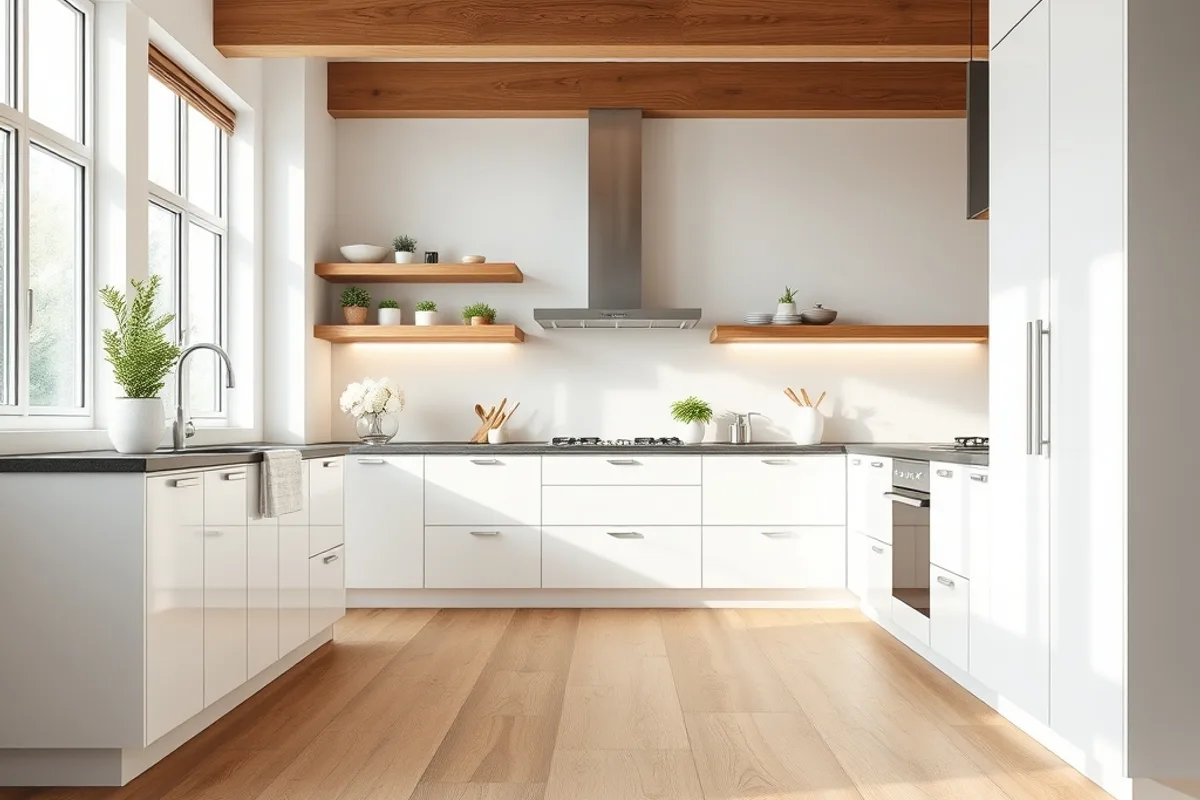
Best for kitchens: porcelain wood-look plank at $4.60 per sq ft
Wood-look porcelain at $4.60 per square foot combined the look of timber with the resilience of tile. It handled a dropped pan, a wet mop and a chair dragged daily without visible damage, and the grout lines were narrow enough to keep the surface easy to sweep.
The pattern is the risk. Cheap wood-look tile repeats obviously across a large floor, so buy a plank with a wide shade range and mix boxes during laying. Use a mid-tone grout that hides dust, and check the surface texture; too much imitation grain makes cleaning harder.
Also see our guide to sustainable upgrades that improve comfort for a deeper comparison.
Best budget option: laminate at $2.10 per sq ft
Laminate at $2.10 per square foot looked convincing and cost the least, but it was the first floor to show damage. A chair dragged without a felt pad left a scuff, and a splash left near the sink swelled an edge within a day. In a low-traffic bedroom it would be fine; in a busy hallway it is a false economy.
If you choose laminate, buy a water-resistant version rated for the room you are fitting, use a damp rather than wet mop, and put a mat at every external door. Keep a spare pack, because a damaged plank cannot be sanded out like solid wood.
Background: how flooring choice affects indoor comfort.
Best for stairs and bedrooms: carpet at $3.30 per sq ft
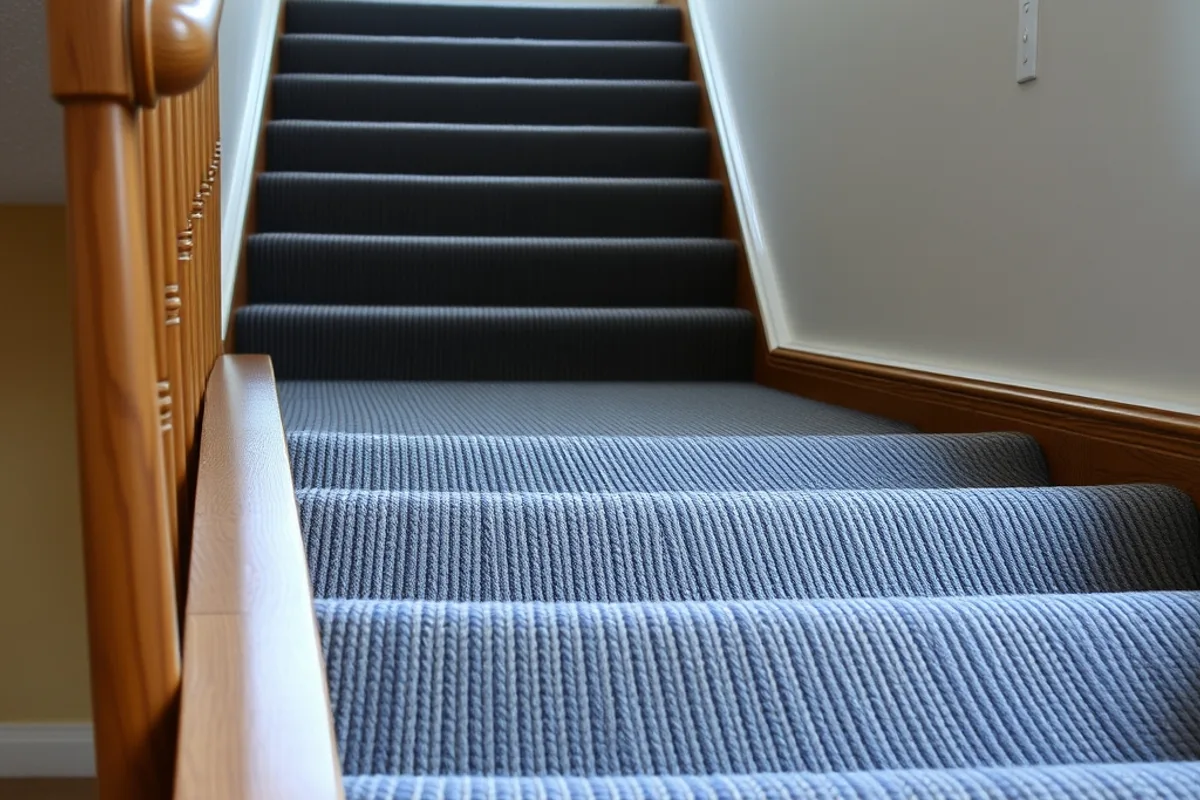
A tight-loop carpet at $3.30 per square foot was the quietest and safest option on stairs. It softened footsteps, reduced noise between floors and gave a bedroom a warmer feel that hard floors could not match. A dark, flecked colour hid marks better than a pale plain carpet.
Carpet traps dust and needs regular vacuuming, which matters in an allergy household. Choose a low-loop pile for stairs and hallways rather than a deep pile that shows every footprint. Ask for a stain-resistant backing and keep a offcut for repairs after a spill.
What to check before choosing high-traffic flooring
Match the floor to the room rather than the whole house. Entrances and kitchens benefit from tile or rigid vinyl, living rooms from engineered wood, stairs from carpet, and bedrooms from whatever feels best underfoot. A single material throughout is convenient but rarely the best compromise.
Then check the practical numbers: wear rating, water resistance, slip rating, acoustic performance and the cost of repair. Ask how a damaged section is replaced and whether the material needs a specialist fitter. The cheapest floor is the one you do not have to replace in five years.
- Wear winner: porcelain tile at $5.10 per sq ft, no marks after eight weeks.
- Living-room pick: engineered oak at $6.40 per sq ft, warm and quiet.
- Kitchen choice: wood-look porcelain at $4.60 per sq ft.
- Budget caution: laminate at $2.10 per sq ft swelled near water.
- Tested 6 floors for 56 days in three busy households in 2026.