

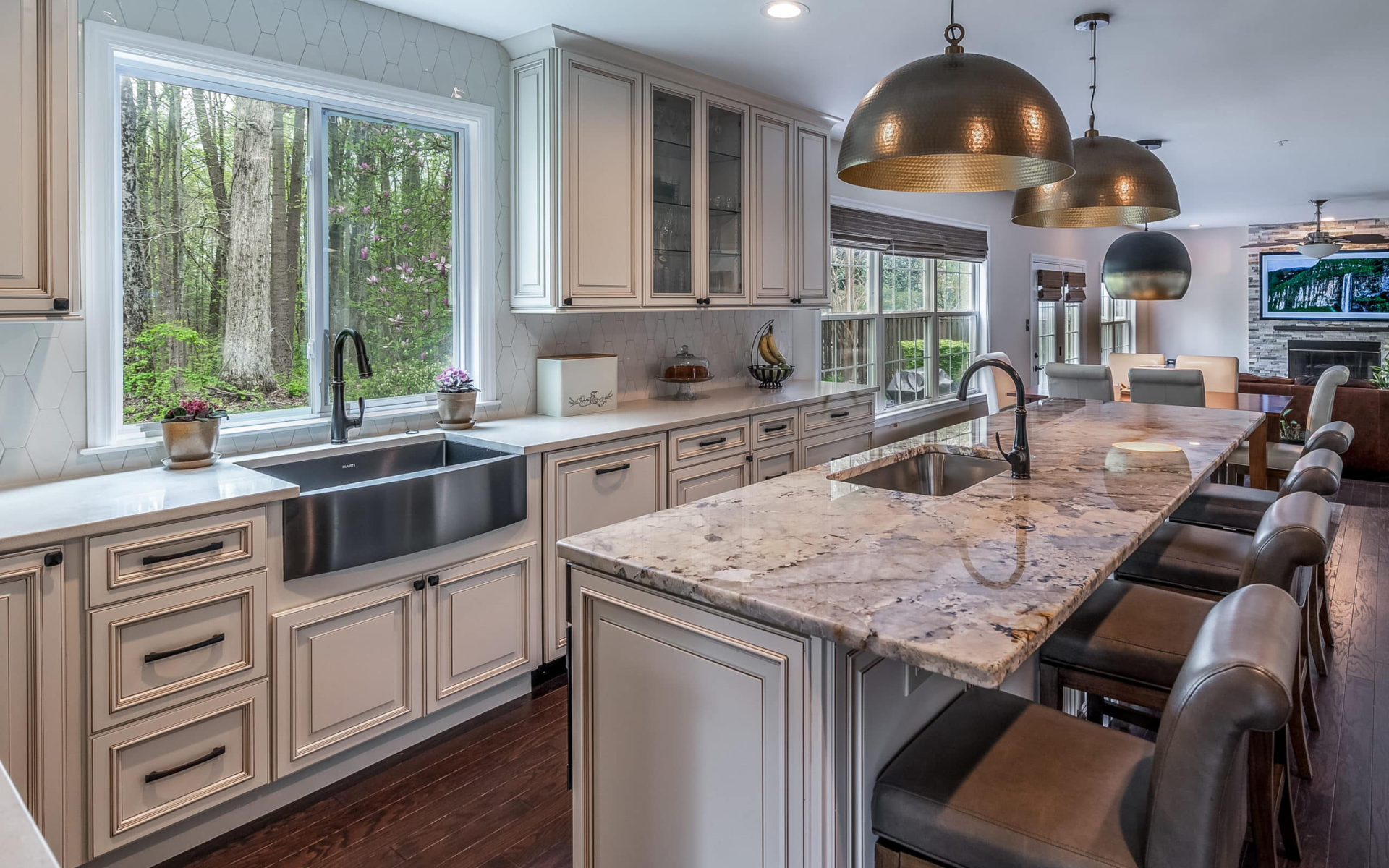
Transforming a room does not always require starting from scratch. Small but strategic adjustments can generate powerful visual and functional improvements that feel refreshing and invigorating. Many homeowners are surprised at how quickly their environment evolves when they incorporate space impact steps to guide their remodeling journey. Even modest updates can create dramatic shifts that elevate comfort, efficiency, and style.
Assessing the Existing Environment
Before initiating changes, it is essential to examine the room with a discerning eye. Study movement patterns, lighting deficiencies, and areas prone to clutter. This observation phase establishes a foundation for impactful remodeling decisions and ensures each adjustment serves a purpose. Pause at various angles to notice unnoticed gaps or inefficiencies. Subtle issues like awkward furniture placement or underutilized corners often limit a room’s potential.
Documenting these insights helps clarify priorities. Some rooms demand enhanced lighting, while others may benefit from expanded storage. A thorough assessment prevents misguided choices and directs energy to what will produce the greatest transformation.
Defining a Strategic Vision
A clear vision orchestrates the remodeling process. Identify the ambiance desired for the space. Should it feel serene, lively, minimal, or eclectic? Establishing a guiding theme ensures that all elements align harmoniously. This vision can stem from a specific color palette, a cherished material, or even an architectural influence.
Once a direction is selected, curate materials and furnishings that reinforce it. This prevents disjointed results and supports a cohesive transformation. A unified vision cultivates fluidity that elevates the room’s character instantly.
Optimizing the Spatial Layout
Rearranging furniture often provides one of the most immediate improvements. Many rooms feel cramped not because of size but because of inefficient configuration. A well optimized layout clears pathways, enhances flow, and introduces a sense of spaciousness.
Experiment with angles and positioning to discover harmonious arrangements. Avoid lining all furnishings against the walls. Instead, bring select pieces inward to create defined zones for relaxation, conversation, or productivity. Even subtle repositioning can shift the energy dramatically and establish a more intentional layout.
Enhancing Vertical Dimensions
Capitalizing on vertical surfaces is a highly effective remodeling step. Walls offer abundant opportunities for storage, display, and visual expansion. Tall bookcases, elongated cupboards, and sculptural wall decor draw the gaze upward, making ceilings feel higher.
Consider mounting shelves that ascend in graduated formation. Use slender cabinetry to preserve floor space while increasing capacity. Verticality adds impact by infusing elegance and structure, eliminating the cramped feeling common in underutilized rooms.
Revitalizing Through Illumination
Lighting plays a decisive role in shaping ambiance and expanding perception. Poor lighting compresses a room, while strategic illumination animates it. Incorporate layered lighting to elevate depth and nuance. Ambient fixtures provide overall glow, task lighting supports functionality, and accent lights highlight artwork or architectural features.
Natural light should also be optimized. Replace heavy drapery with airy fabrics that diffuse brightness gently. Mirrors placed opposite windows amplify sunlight and invite harmonious radiance. Illumination that feels intentional transforms even modest spaces into inviting sanctuaries.
Selecting Color for Maximum Influence
Color selection remains one of the most effective remodeling tools. Soft neutrals create openness, while bold accents add dimension and character. A balanced palette ensures the room feels cohesive and welcoming.
Consider using color to emphasize key architectural elements. Highlighting niches or alcoves with contrasting tones generates depth without overwhelming the design. Maintaining chromatic consistency across large surfaces encourages smooth visual movement, making the space appear more expansive.
Integrating Multifunctional Furnishings
Adaptable furniture is indispensable when aiming for significant impact without structural modification. Pieces that perform several tasks reduce clutter and enhance versatility. Storage ottomans, modular sofas, adjustable tables, and nesting furniture all provide functional adaptability.
These furnishings evolve with your needs, making the environment more efficient and responsive. Selecting items with slim silhouettes also preserves floor space while maintaining style. Multifunctionality amplifies convenience and supports long term usability.
Refining Surfaces and Textures
Surface enhancements dramatically influence the mood of a room. Introduce textured textiles, polished finishes, or organic materials to elevate tactile and visual richness. A new rug, accent wall treatment, or refined upholstery can transform a mundane atmosphere into a refined retreat.
Layering surfaces creates dimension. Pair smooth cabinetry with woven baskets or combine sleek lighting fixtures with soft drapery. This interplay enhances comfort and complexity, ensuring the space feels thoughtfully composed.
Incorporating Natural Elements
Nature infuses rooms with vibrancy and tranquility. Plants with sweeping silhouettes or cascading leaves introduce sculptural beauty. Even a single large planter can serve as a focal point that anchors the design. Natural woods, stone accents, and woven fibers also contribute earthy warmth.
Positioning greenery near light sources enhances movement through soft shadows and gentle highlights. These organic influences breathe life into the space and broaden the sensory experience.
Curating Meaningful Details
Small curated details deliver significant impact. Decorative objects, artwork, and textiles should be selected with intention. Avoid overcrowding. Instead, choose pieces that reflect personality, artistry, or thematic cohesion.
Rotate accessories periodically to refresh the atmosphere. Simple updates such as new pillow covers, a sculptural vase, or unique wall art can transform perception instantly. Thoughtful curation ensures the room feels polished, expressive, and engaging.


More Stories
Space Remodeling Moves for Modern Style
Space Remodeling Tips for Open Layouts
Transform Your Space: Creative Room Makeover Ideas to Revive Your Sanctuary