

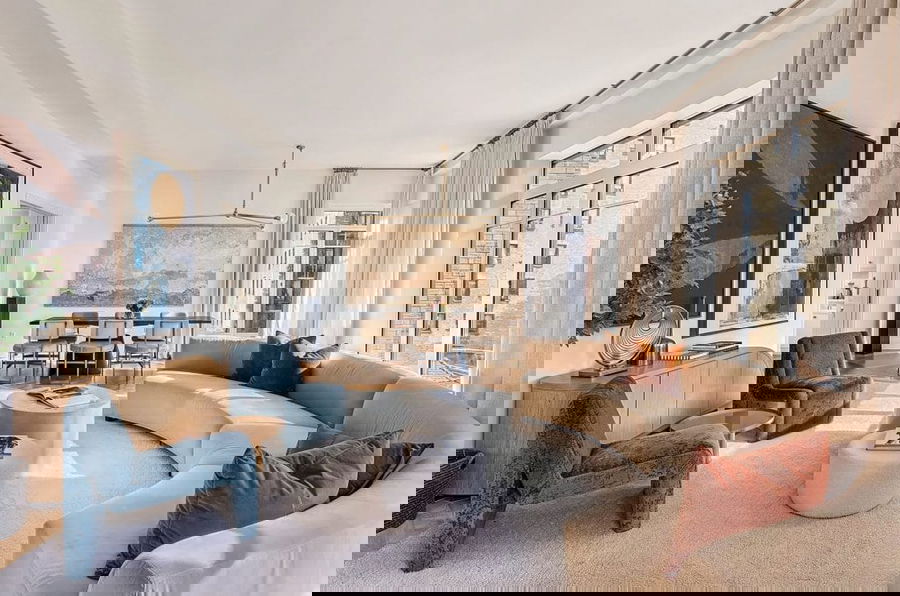
Mastering interior design tips can transform a home from a cluttered, stressful environment into a sanctuary of efficiency and comfort. Thoughtful design goes beyond aesthetics; it streamlines daily routines, optimizes functionality, and enhances the overall quality of life. The right combination of organization, layout, and decorative elements allows residents to move seamlessly through spaces while enjoying visual harmony.
Prioritize Functionality
Functionality is the cornerstone of practical interior design. Every space should serve its intended purpose while minimizing friction in daily activities. In kitchens, for example, arranging utensils, appliances, and pantry items according to frequency of use simplifies cooking and cleanup. In living areas, furniture placement should support natural traffic flow and easy access to essentials.
When designing for functionality, consider multi-purpose furniture and storage solutions. Items that serve dual roles, such as ottomans with hidden storage or foldable desks, reduce clutter and maximize available space. By focusing on practical applications, interior design tips enhance daily efficiency without sacrificing style.
Embrace Minimalism
Minimalism is a powerful principle in simplifying life through interior design. Reducing excess items and prioritizing essentials create a sense of calm and order. Minimalist spaces are easier to clean, maintain, and reorganize, while simultaneously promoting mental clarity and focus.
Key strategies include decluttering surfaces, limiting decorative accessories, and choosing furniture with clean lines. Minimalism does not imply a lack of personality; rather, it encourages intentional selection of objects that align with the homeowner’s lifestyle and aesthetic preferences.
Optimize Storage Solutions
Efficient storage transforms any room into a more functional space. Incorporating built-in cabinets, shelving units, and modular storage systems keeps belongings organized and accessible. Vertical storage options make the most of limited floor space, while hidden compartments reduce visual clutter.
Strategic labeling and categorization also contribute to efficiency. When every item has a designated place, daily tasks such as cleaning, dressing, or meal preparation become faster and less stressful. Thoughtful storage design is an essential element of practical interior design tips.
Use Zoning Techniques
Zoning divides larger spaces into functional areas, promoting order and ease of movement. In open-plan homes, for instance, rugs, furniture arrangements, and lighting can delineate dining, living, and work areas without erecting walls. Clear zones reduce chaos and make it easier to maintain organization.
Zoning also enhances usability. Each area can be customized for its specific purpose, ensuring that storage, seating, and surfaces are optimized. This method not only simplifies daily life but also creates a sense of structure and coherence throughout the home.
Incorporate Smart Technology
Smart technology can significantly streamline domestic life. Automated lighting, thermostats, and voice-controlled devices reduce repetitive tasks and improve energy efficiency. Smart storage solutions, such as app-enabled cabinets or inventory tracking for pantry items, simplify organization and minimize waste.
Integrating technology into home design provides convenience without compromising aesthetics. By thoughtfully combining smart systems with traditional interior elements, homeowners can achieve both comfort and efficiency, applying advanced interior design tips in practical ways.
Focus on Lighting and Ambience
Lighting is both functional and transformative. Natural light boosts mood and reduces dependence on artificial illumination, while strategically placed lamps and overhead fixtures ensure sufficient brightness for daily tasks. Layered lighting combining ambient, task, and accent sources supports various activities and enhances visual appeal.
Adjustable lighting solutions, such as dimmers and smart bulbs, provide flexibility for different times of day or occasions. Proper lighting design simplifies routines, reduces eye strain, and enhances the overall livability of a home.
Select Low-Maintenance Materials
Materials play a crucial role in simplifying home upkeep. Durable, easy-to-clean surfaces such as quartz countertops, laminate flooring, and stain-resistant fabrics reduce the time and effort needed for maintenance. Choosing materials that withstand wear and tear ensures longevity and preserves aesthetic quality.
Low-maintenance selections free homeowners from frequent repairs or deep cleaning, allowing more time for leisure and family activities. Thoughtful material choices are a practical aspect of interior design tips that directly impact everyday convenience.
Personalize Without Cluttering
Personal touches make spaces inviting while maintaining simplicity. Art, textiles, and curated décor can reflect personality without creating visual chaos. Limiting decorative items to those that hold meaning or serve a functional purpose balances expression with efficiency.
By intentionally curating personal elements, homeowners enjoy the benefits of a space that feels uniquely theirs while avoiding unnecessary clutter. Personalization aligned with organization reinforces the principle of simplified living through design.
Plan for Flow and Accessibility
Ease of movement and accessibility are critical for simplifying life. Furniture placement, doorway clearance, and pathway planning ensure that residents can navigate spaces effortlessly. Prioritizing ergonomic layouts reduces physical strain and promotes a seamless daily routine.
Thoughtful design also considers accessibility for all household members, including children, elderly individuals, or those with mobility challenges. Planning for flow enhances both functionality and comfort, completing the framework of efficient interior design tips.
Implementing these strategies transforms a home into a functional, aesthetically pleasing environment. By prioritizing organization, minimalism, thoughtful storage, and practical materials, residents can enjoy spaces that simplify routines, enhance comfort, and improve overall quality of life.


More Stories
Interior Design Essentials for Modern Living
Interior Design Details That Matter
Interior Design Touches That Impress