

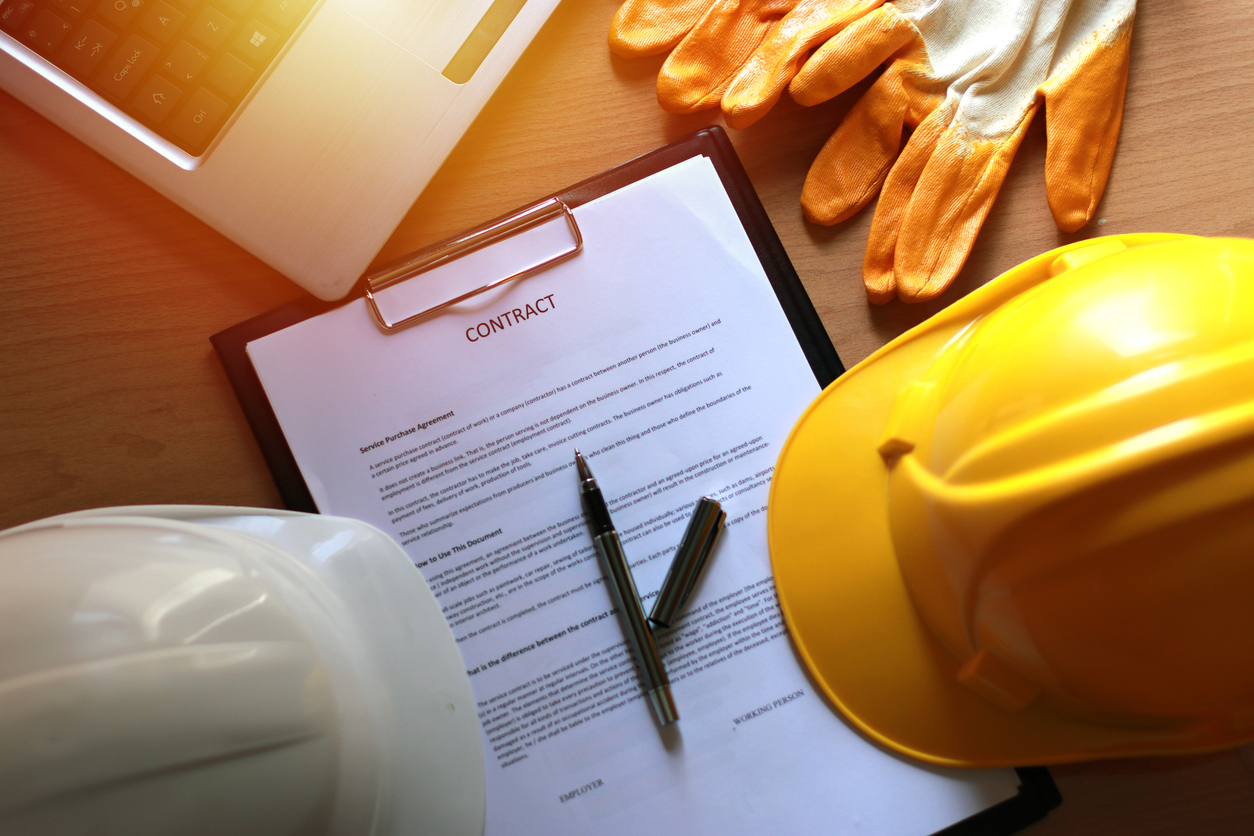
Complex home repairs often feel intimidating, yet they become far more manageable when guided by contractor repair solutions that offer structure, clarity, and dependable expertise. A challenging repair can unsettle even the most seasoned homeowner, especially when unexpected damage interrupts comfort or safety. Still, with methodical planning and a keen understanding of underlying issues, intricate restoration work evolves into a confident and rewarding endeavor.
Understanding the Scope of the Problem
Every effective repair begins with a comprehensive appraisal of the damage. This involves evaluating both the visible symptoms and the concealed contributors that often complicate the situation. Moisture infiltration, structural fatigue, aging components, and outdated installations can all produce cascading problems. When contractors investigate these elements, they gain insight into the origin of the deterioration. A thorough diagnosis not only prevents missteps but also creates a stable foundation for future repair strategies.
Evaluating Structural Integrity
Sturdier repairs originate from a meticulous examination of load bearing elements, attachment points, and the overall skeletal composition of the building. Even minor structural abnormalities can dictate different restoration techniques. Contractors often use precise instruments to measure tension, moisture levels, and alignment. Such detailed scrutiny ensures that repairs do not merely mask issues but rectify them at their core. Structural soundness remains an essential priority because it safeguards the long term stability of the home.
Identifying Repair Priorities
When multiple problems surface, prioritization becomes essential. Some repairs, such as compromised wiring or severe water damage, require immediate intervention. Others can wait until supportive work is completed. Proper sequencing avoids recurring failures and unnecessary rework. By organizing repairs according to urgency, homeowners prevent escalating deterioration and streamline the entire process. Thoughtfully constructed timelines make even the most strenuous projects feel controlled and predictable.
Creating a Strategic Repair Blueprint
A detailed repair blueprint transforms uncertainty into actionable steps. This planning stage includes material selection, labor allocation, site preparation, safety protocols, and realistic completion goals. Each component is outlined to maintain operational coherence. The blueprint acts as a navigational guide that ensures consistency throughout the repair journey. Clear documentation of each stage also protects against miscommunication and aligns expectations for all parties involved.
Using High Grade Materials
Durability hinges on the quality of the materials used during repairs. Premium grade lumber, corrosion resistant hardware, moisture resilient sealants, and advanced insulation can significantly enhance the longevity of the restoration. Inferior materials may reduce upfront costs, yet they often deteriorate faster and lead to recurrent problems. When contractors employ dependable components, the structural and aesthetic outcomes improve, and homeowners experience greater peace of mind.
Applying Precision Repair Techniques
Repair work demands accuracy. Contractors rely on specialized tools and refined techniques to ensure that every measurement, angle, and connection meets rigorous standards. Whether repairing roofing systems, reinforcing beams, restoring masonry, or recalibrating plumbing networks, precision governs the final result. The smallest deviation can create imbalances that affect performance. Masterful craftsmanship remains a cornerstone of reliable, resilient repairs.
Managing Unexpected Complications
Even the best planned repair projects can reveal unforeseen obstacles. Hidden mold colonies, outdated wiring, or substandard past work may come to light once surfaces are opened. Experienced contractors adapt quickly to these discoveries by recalibrating the repair plan. This adaptability minimizes disruption and protects the integrity of the project. Preparedness for such contingencies prevents delays from turning into larger setbacks.
Ensuring Safety and Compliance
Safety is integral to successful repair execution. Contractors adhere to established regulations that protect both workers and occupants. Proper ventilation, secure scaffolding, electrical shutdown procedures, and protective barriers form part of standard safety practices. Compliance with local building codes ensures the repaired structure meets required standards. When safety is prioritized, the entire repair process unfolds more smoothly and responsibly.
Promoting Transparent Communication
Clear dialogue enhances cooperation. Homeowners benefit from consistent updates on project progress, material choices, cost adjustments, and unexpected findings. Transparent communication reduces uncertainty and fosters a collaborative environment. When contractors articulate their actions with clarity, homeowners gain confidence in the work being completed. This open exchange creates a seamless experience from assessment to final inspection.
Refining the Final Details
End stage refinements determine whether a tough repair feels complete or incomplete. Trim alignment, sealant consistency, surface finishing, fixture adjustment, and structural reinforcement all require careful attention. These details influence the appearance and performance of the restored area. Contractors inspect each element to ensure that no imperfections compromise the finished product. The beauty of any repair lies in the harmony of small yet significant details.
Conducting Post Repair Evaluations
Once repairs conclude, a final evaluation verifies stability, safety, and functionality. Contractors examine the repaired sections under various conditions to ensure the improvements remain reliable. Testing for air flow, water resistance, structural load, and electrical performance confirms that the solution is not only effective but enduring. A completed repair that withstands these tests offers renewed security and comfort for the homeowner.
Supporting Long Term Maintenance
A tough repair becomes a long term success when paired with thoughtful maintenance recommendations. Contractors often provide guidance on cleaning routines, inspection intervals, and preventive care. These measures preserve the integrity of the repaired structure and reduce the likelihood of future issues. Consistent upkeep protects the homeowner’s investment and promotes a healthier living environment.
A challenging repair may appear formidable at first glance, yet it becomes significantly more manageable when approached with methodical strategies, skilled execution, and unwavering attention to detail. Through structured planning, high quality materials, and expert craftsmanship, even the most difficult restoration work evolves into a smooth, rewarding transformation that strengthens the home for years to come.


More Stories
Innovate, Build, Repeat: The Modern Contractor’s Blueprint to Success
Revolutionizing Spaces: The Art and Science Behind Today’s Leading Building Contractors
The Blueprint Blueprint: How Smart Building Contractors Construct Success