

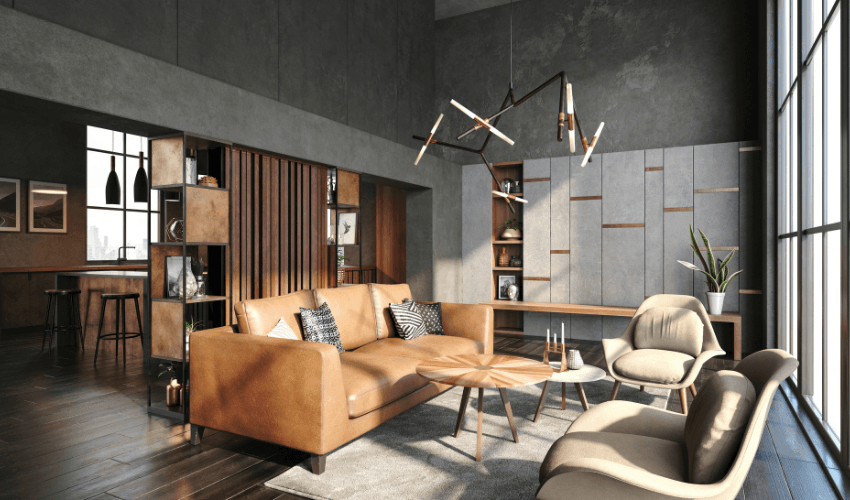
Transform Your Home with Smart Interior Design Fixes
When it comes to elevating your living space, few strategies are as impactful as interior design fixes. The right changes can dramatically enhance aesthetics, functionality, and even the financial value of your home. Many homeowners overlook subtle adjustments that could yield significant returns, but understanding these nuances can transform both your environment and investment. From spatial reconfiguration to lighting tweaks, there are countless ways to optimize your home without a full-scale renovation.
Prioritize Key Rooms for Maximum Impact
Certain areas of a home carry more weight when it comes to adding value. Kitchens, bathrooms, and living spaces often determine a potential buyer’s first impressions. Implementing updates in these rooms, such as updating cabinet finishes, modernizing fixtures, or improving layout efficiency, can create a sense of luxury and functionality. Even small enhancements like swapping outdated hardware for sleek handles or integrating smart lighting can elevate the overall perception of the home.
Strategic Use of Color and Texture
Color palettes and textural elements play a crucial role in defining a room’s character. Bold yet tasteful accents, coupled with complementary textures, can instill warmth and sophistication. Consider using neutral tones for primary walls and introducing vibrant or textured accents through rugs, cushions, or wall art. Such updates not only refresh the ambiance but also cater to a wide range of tastes, appealing to both residents and potential buyers.
Optimize Space with Functional Furniture
Clever furniture placement and multi-functional pieces can significantly improve the usability of a room. Modular furniture, built-in storage, and strategically placed mirrors can make a compact space feel expansive and inviting. These adjustments enhance everyday living while subtly increasing property value. In open-plan layouts, furniture can define zones, creating intimate areas without constructing physical barriers.
Lighting That Transforms Atmosphere
Lighting is often underestimated yet pivotal. Layered lighting, comprising ambient, task, and accent lights, can dramatically alter the perception of space. Installing dimmers, pendant lights, or strategically placed lamps can highlight architectural features, artwork, or key areas of the home. Natural light should also be maximized; consider lighter window treatments or strategically placed mirrors to amplify daylight.
Incorporate Greenery and Biophilic Design
Introducing plants and natural elements can transform an interior from sterile to invigorating. Biophilic design, integrating natural textures, greenery, and organic materials, enhances air quality, well-being, and visual appeal. Small touches like potted plants, vertical gardens, or wooden accent pieces can make a living space feel vibrant and welcoming. Pros often use these techniques to create a calming, health-oriented environment that resonates with occupants.
Flooring and Surface Enhancements
Flooring plays a foundational role in the perception of a room. Replacing outdated carpets with hardwood, laminate, or high-quality tiles can elevate both appearance and durability. Surface upgrades, including countertops, backsplashes, or accent walls, serve as focal points that define style. Even minor enhancements such as refinishing existing surfaces or adding decorative trims are effective ways to provide a modern, polished look without a complete overhaul.
Smart Technology Integration
Integrating smart home features has become a sought-after enhancement. Automated lighting, thermostats, and security systems can make a home feel modern and efficient. These technology-driven updates not only improve daily convenience but also increase market appeal. Buyers are increasingly drawn to homes that seamlessly combine functionality with cutting-edge design elements.
Personalization and Cohesion
Cohesion is critical when making updates. Every addition or modification should align with the overall style, ensuring harmony across rooms. Personal touches, such as curated artwork, statement furniture, or customized shelving, can provide unique character. The goal is to create spaces that feel lived-in yet sophisticated, balancing aesthetic appeal with functional design.


More Stories
Interior Design Essentials for Modern Living
Interior Design Details That Matter
Interior Design Touches That Impress