

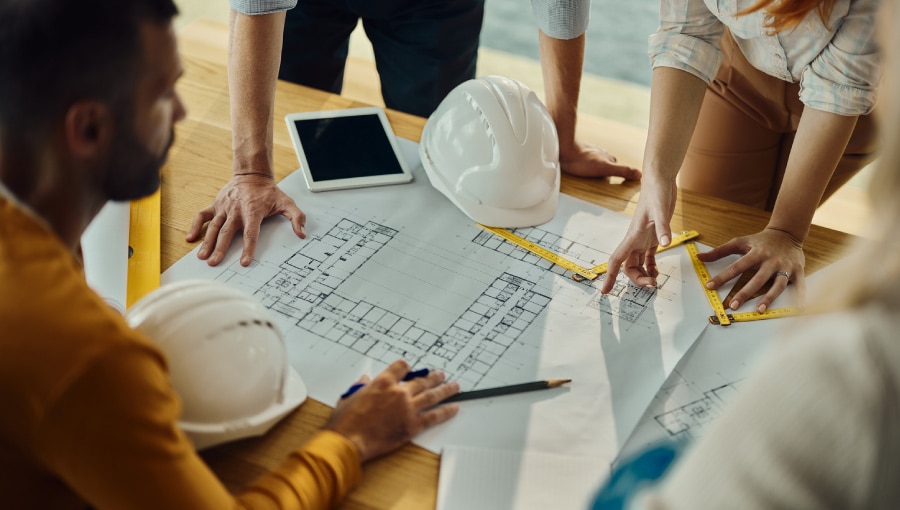
A successful construction journey begins with meticulous preparation, thoughtful coordination, and unwavering focus, especially when dealing with contractor new builds that rely on accuracy from the start. Careful planning ensures a smoother experience, reduces unforeseen complications, and strengthens the overall integrity of the structure as it progresses from concept to reality.
Understanding the Site Conditions
A new build always begins with a deep examination of the land. Soil density, moisture retention, and natural drainage patterns influence how stable the foundation will be in the long term. A seemingly simple plot may hide subsurface inconsistencies that only thorough testing can reveal. When these environmental characteristics are understood early, the project advances with fewer uncertainties, lower risk, and better structural reliability.
Creating Accurate and Detailed Blueprints
Architectural plans function as the guiding map for the entire construction. Every structural beam, utility pathway, and interior specification must be recorded precisely. Contractors review these documents carefully to detect inconsistencies that may delay progress. Clear drawings support smoother collaboration among electricians, plumbers, carpenters, and finishing specialists. Strong blueprint accuracy minimizes confusion and ensures that each trade performs confidently and efficiently.
Selecting Materials That Match the Environment
Material performance differs based on climate and intended use. Selecting the right lumber, insulation, and exterior coatings can impact the home’s durability and energy performance for decades. A region with high humidity may require more moisture resistant components. A colder region may benefit from enhanced thermal insulation. Material choices that align with environmental demands make the new build adaptable, long lasting, and easier to maintain.
Managing Supply Chains With Precision
Construction efficiency depends heavily on timely material availability. Delays often arise not from labor shortages but from late shipments or unavailable inventory. An attentive contractor monitors timelines, verifies stock levels, and communicates with suppliers regularly. When materials arrive as scheduled, workers maintain momentum, and the project avoids unnecessary pauses that disrupt workflow and increase labor hours.
Communicating Clearly With All Trade Professionals
Each subcontractor plays a crucial role in shaping the finished home. Clear instructions prevent misunderstandings and reduce the likelihood of costly rework. When every professional understands task sequences, coordination improves naturally. This kind of clear communication establishes a positive job site environment and encourages consistent workmanship.
Conducting Routine Inspections Throughout Construction
Regular inspections protect the build from hidden problems. Framing alignment may shift. Concrete may cure unevenly. Electrical routing may require minor adjustments. Identifying these issues early prevents larger complications later. Daily or weekly evaluations maintain structural accuracy and preserve the project timeline.
Maintaining Transparent Budget Planning
New builds involve numerous variables, and financial clarity ensures that homeowners make informed decisions. When cost breakdowns are presented clearly, clients can prioritize features without uncertainty. Open communication about expenses fosters trust, reduces anxiety, and supports better decision making throughout the project.
Handling Permits and Compliance Requirements
Every new build must follow local building codes, zoning rules, and safety regulations. Proper documentation prevents project delays that occur from rejected permit applications. Experienced contractors prepare all paperwork with precision, anticipate additional requirements, and maintain compliance from foundation to final inspection. This preparation safeguards the project from costly legal or procedural obstacles.
Prioritizing Energy Efficiency and Modern Systems
Energy efficient homes reduce long term utility expenses and increase comfort. Thoughtful placement of insulation, ventilation systems, and high performance windows enhances indoor climate control. Incorporating efficient mechanical systems at the blueprint stage prevents expensive modifications later. Contractors who prioritize energy performance provide lasting value that benefits occupants for years.
Designing for Future Adaptability
A well planned new build accommodates the evolving needs of its occupants. Families grow, hobbies shift, and lifestyles change. Flexible room layouts, reinforced framing for potential expansions, and accessible utility pathways make future renovations simpler. Contractors who anticipate long term adaptability help homeowners avoid extensive remodeling costs.
Creating a Schedule That Respects All Phases
A successful new build follows a well balanced timeline that considers curing periods, weather conditions, subcontractor availability, and material arrival schedules. Coordinated planning reduces downtime and prevents overlapping tasks that disrupt efficiency. A realistic schedule also sets clear expectations for homeowners, reducing stress and uncertainty.
Keeping the Job Site Clean and Organized
A clean and organized job site improves productivity and strengthens safety. Clear pathways help workers move confidently. Proper storage prevents tool loss or material damage. Safe working conditions reduce injuries and downtime. These simple but essential practices contribute to smoother project flow and higher morale among crew members.
Bringing the Home to Life With Purpose and Precision
Every phase of a new build requires careful attention to detail, from soil preparation to final finishing touches. When planning is thorough and communication remains steady, the project unfolds with clarity and confidence. A contractor who approaches each step methodically creates a home that reflects durability, comfort, and long term value.


More Stories
Innovate, Build, Repeat: The Modern Contractor’s Blueprint to Success
Revolutionizing Spaces: The Art and Science Behind Today’s Leading Building Contractors
The Blueprint Blueprint: How Smart Building Contractors Construct Success