

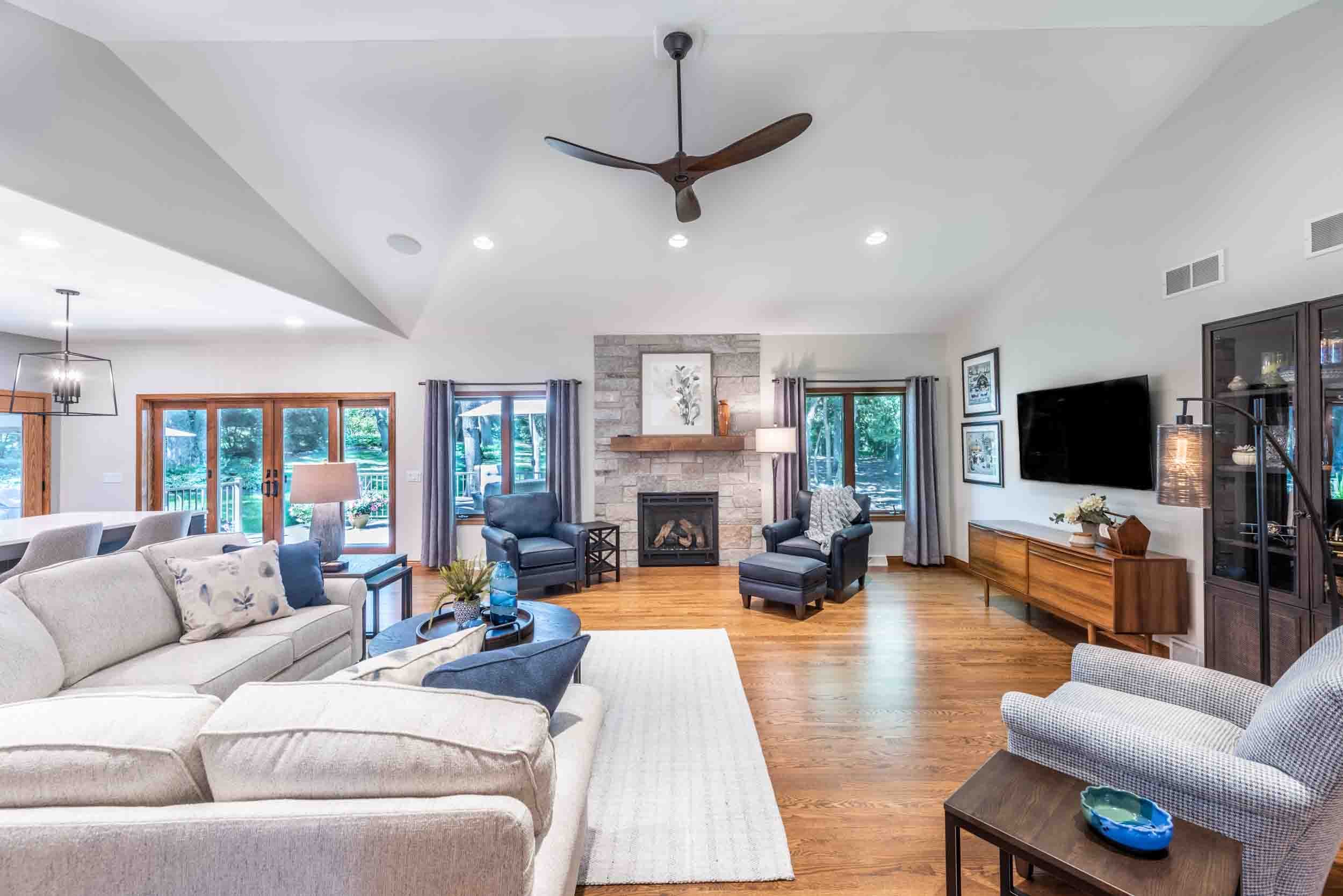
Refreshing a home does not require extravagant spending. With a bit of ingenuity and a keen eye for resources, any space can feel renewed and inviting. Clever planning paired with strategic upgrades brings impressive results without straining finances. By applying smart space budget hacks, homeowners can transform interiors using creativity, practicality, and thoughtful design. Even modest adjustments can cultivate a noticeably elevated atmosphere.
Reimagining What Already Exists
One of the simplest paths to budget friendly remodeling is to evaluate what can be reused, reshaped, or repurposed. Many items that feel outdated only need minor enhancement. A tired wooden chair can be revitalized with sanding and fresh stain. Bookshelves can shift roles entirely by moving to a new location or becoming a display case for curated decor. Rearranging furniture often reveals new possibilities. A shift in orientation or grouping can dramatically alter a room’s dynamics. Reinventing existing pieces saves money while fostering inventive expression.
Leveraging Paint for High Impact Change
Paint remains one of the most cost effective tools in home remodeling. A single can can redefine an entire room. Soft neutrals create serene expansiveness. Bold hues add statement value when applied thoughtfully. Accent walls offer dimension without overwhelming the space. Painting trim in contrasting colors introduces architectural flair. Even small items, such as frames, lamps, or side tables, take on new character when given a fresh coat. Paint bridges simplicity and sophistication with remarkable affordability.
Optimizing Natural Illumination
Natural light enhances both mood and spatial perception at no cost. Adjusting window treatments can instantly improve brightness. Lightweight curtains, sheer drapery, and minimalist blinds allow sunlight to filter gently into the room. Mirrors also amplify illumination. When placed opposite windows, they reflect outdoor light and visually expand the interior. Clean windows help maximize clarity. Brightness transforms budget friendly designs into radiant and inviting spaces.
Using Affordable Textural Elements
Texture creates depth and comfort without expensive investment. Simple additions like woven throws, cotton cushion covers, or low pile rugs elevate visual warmth. Mixing materials adds character. Combine smooth ceramics with rustic wood. Pair soft fabrics with metallic accents. These small enhancements enrich a room’s identity. They also introduce sensory variety that feels layered and intentional. Affordable textiles often deliver a luxurious experience at a fraction of the cost of new furniture.
Incorporating Thrifted and Vintage Finds
Secondhand shops and flea markets hold countless treasures. With patience and curiosity, it is easy to uncover unique pieces that add personality to the home. Vintage mirrors, ornate frames, handcrafted pottery, and classic wooden furnishings often appear at accessible prices. These items inject history, artistry, and individuality into the decor. Refinishing or repainting thrifted pieces expands their potential even further. This approach champions sustainability while keeping budgets intact.
Creating DIY Decorative Features
Do it yourself upgrades provide an economical way to personalize interiors. Simple woodworking projects, homemade art pieces, or custom shelving add meaningful character. Creating a gallery wall from printed photographs or magazine clippings costs little yet brings substantial visual interest. Even basic crafting techniques can result in one of a kind decor. DIY projects invite experimentation and offer a sense of accomplishment as the space evolves.
Prioritizing High Impact Zones
Budget mindfulness works best when focusing on areas that deliver the greatest return. Kitchens, entryways, and living rooms often influence overall perception. Instead of replacing all cabinetry, update hardware for an instant modern shift. Swap old faucet fixtures with contemporary alternatives. Replace worn entry rugs and add a compelling focal element like a statement vase. Small enhancements in key areas create a ripple effect that refreshes the entire home.
Streamlining Through Minimalism
Clutter often masks the true potential of a room. Adopting a minimalistic mindset allows the space to breathe. Removing redundant items reveals clean lines and architectural features. Clear surfaces help the eye travel fluidly. The absence of excess creates an impression of sophistication. Minimalism is one of the most effective budget friendly strategies available. It reshapes perception using subtraction rather than addition.
Upgrading with Inexpensive Hardware
Hardware may appear subtle, but it has transformative ability. Drawer pulls, cabinet knobs, curtain rods, and switch plates can be replaced cost effectively. Modern finishes such as brushed nickel or matte black add refined detail. Consistent hardware across rooms strengthens cohesion. These incremental upgrades require minimal time yet produce noticeable improvement.
Enhancing Atmosphere with Scent and Sound
Atmosphere does not rely solely on visuals. Affordable aromatic elements, like essential oils or simple diffusers, foster a comforting environment. Scents evoke emotion and establish ambiance. Soft background sounds, whether from gentle music or discreet water features, contribute calmness. Sensory refinement adds dimension to the remodeled space without requiring major investment.
Adding Micro Zones of Function
Small adaptations create useful pockets throughout the home. A reading alcove can emerge from an unused corner with a comfortable chair and lamp. A mini workstation may form from a wall mounted shelf and stool. A breakfast nook might evolve beside a window with a modest bistro table. These micro zones enhance usability while maintaining budget discipline. They contribute charm, purpose, and personalized living.


More Stories
Space Remodeling Moves for Modern Style
Space Remodeling Tips for Open Layouts
Transform Your Space: Creative Room Makeover Ideas to Revive Your Sanctuary