

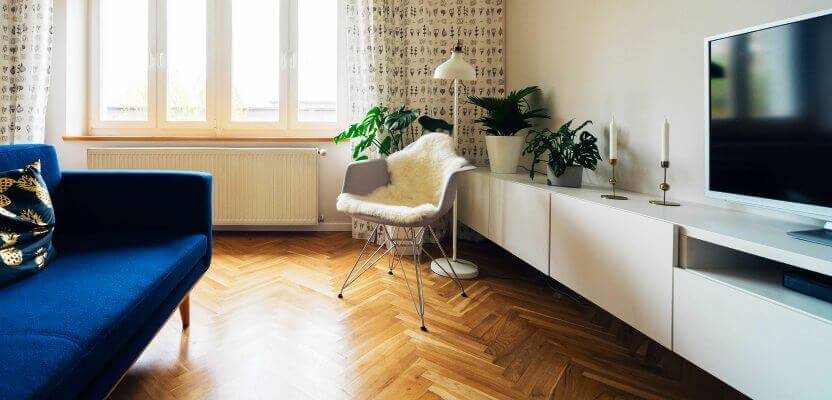
Cluttered rooms can overwhelm the senses and diminish comfort, yet small adjustments often spark transformative change. Many homeowners find that strategic organization elevates both aesthetics and practicality. Early planning encourages smoother progress and keeps frustration at bay. When thoughtful structure aligns with daily habits, interiors feel refreshed and welcoming. Integrating space clutter fixes from the outset helps create rooms that breathe, function, and inspire.
Assessing the Root Causes of Clutter
Every cluttered room tells a story. Sometimes it reveals a lack of storage, while other times it stems from habitual placement of items without proper destinations. Observing daily patterns offers vital clues. A surface crowded with miscellaneous objects may signify insufficient shelving. An overloaded closet might suggest poor compartmentalization. Identifying the true source of disorder allows targeted changes rather than superficial adjustments.
Streamlining Layouts Through Intentional Zoning
Spaces flourish when divided into purposeful zones. Designating specific areas for reading, working, or relaxation curbs accidental accumulation. Zoning provides mental clarity. It also encourages better traffic flow throughout the room. Even modest homes benefit from clear spatial definitions. A corner transformed into a micro library or a small writing nook can drastically reduce overflow into unrelated sections of the room.
Employing Multi Tiered Storage for Elevated Efficiency
Vertical storage maximizes spatial potential while minimizing footprint. Tall cabinets, ladder shelving, and stacked organizational units reclaim valuable square footage. Elevating storage off the floor expands visual openness. Combining concealed compartments with open shelving strikes a balance between accessibility and elegance. Multi tiered storage reduces visual chaos and strengthens a structured environment.
Rotating Decorative Accents for Seasonal Freshness
Decorations often accumulate to excess without deliberate curation. Rotating accents seasonally or semi annually reinvigorates the room. Storing off season pieces prevents overcrowded shelves. Frequent rotation makes each item feel special rather than lost in a visual swarm. This approach maintains novelty while encouraging mindful display.
Curating Furniture With Moderation
Oversized or redundant furniture pieces contribute to spatial congestion. Selecting furnishings that match the room’s proportions improves harmony and reduces clutter. Streamlined silhouettes maintain airflow. A single multifunctional item often replaces several smaller ones. Removing an unnecessary chair or table instantly broadens the room’s appearance. Moderation cultivates serenity.
Enhancing Illumination to Reduce Visual Heaviness
Lighting dramatically impacts how clutter is perceived. Dim spaces magnify disarray, while bright, evenly distributed illumination softens irregularities. Natural light offers the most generous visual expansion. Artificial lighting, when layered thoughtfully, clarifies room boundaries and highlights intentional design. Proper illumination mitigates clutter’s dominance and supports a fresher ambiance.
Prioritizing Concealment for Everyday Essentials
Some belongings need to stay close at hand, yet visible storage can feel untidy. Concealed solutions, such as ottomans with internal compartments or beds with underframe drawers, integrate functionality with subtlety. Concealment encourages quick tidying. Items return to their hidden spaces effortlessly. The result is a room that retains character without sacrificing order.
Implementing a Systematic Decluttering Ritual
Rituals ensure sustainability. A weekly or monthly review prevents disorder from reemerging. Assigning a purpose to each item and removing what no longer serves that purpose protects the room from future overwhelm. Systematic routines promote mental relief. Decluttering becomes less of a monumental event and more of a gentle upkeep habit.
Reimagining Wall Space for Functional Expression
Walls offer untapped potential. Pegboards, magnetic panels, or sculptural hooks bring organization to vertical surfaces. These features create intuitive storage for tools, accessories, or lightweight decor. When arranged with precision, wall systems provide both artistry and structure. They free floor areas while highlighting thoughtful design.
Choosing Color Palettes That Promote Calm
Color influences perception of space and clutter. Light, harmonious palettes soften visual noise. Muted tones create a canvas that emphasizes order. Deep shades, when used sparingly, add personality without contributing heaviness. Consistent coloration across furniture and accessories fosters unity. A balanced palette helps reduce the psychological weight of clutter.
Investing in Furniture With Built In Compartments
Modern furnishings frequently integrate clever storage components. Desks with side cubbies, coffee tables with hinged lids, and benches with beneath seat compartments streamline daily organization. Built in compartments keep necessary items close while avoiding surface overflow. These innovations are especially valuable in compact rooms where every square inch matters.
Eliminating Redundant Objects Through Selective Editing
Rooms often accumulate duplicates without conscious realization. Editing collections reduces excess and clarifies what truly contributes value. Retaining only purposeful items nurtures a curated atmosphere. Selective editing strengthens personal connection to remaining belongings. Fewer items allow each piece to shine with intentional presence.
Balancing Open and Closed Storage for Visual Harmony
All open shelving creates constant visual stimulation, while excessive closed units can feel imposing. A balanced combination introduces rhythm. Display meaningful objects on open shelves and store practical items behind doors. This interplay enhances compositional harmony and reduces perceptual clutter. Balanced storage supports both beauty and function.
Incorporating Textural Variety Without Overcomplication
Texture deepens visual interest, yet too many competing elements create disorder. Introducing a limited range of tactile materials, such as woven baskets or linen bins, maintains cohesion. Textural variety enhances comfort. Restrained use preserves clarity. The right textures help anchor organization schemes while adding subtle charm.
Allowing Negative Space to Strengthen Room Presence
Empty space is powerful. It establishes breathing room and prevents overstimulation. Negative space draws attention to key elements within the room. It also contributes to an atmosphere of ease. Leaving strategic gaps between furnishings refreshes the environment. Embracing spaciousness enhances overall balance.


More Stories
Space Remodeling Moves for Modern Style
Space Remodeling Tips for Open Layouts
Transform Your Space: Creative Room Makeover Ideas to Revive Your Sanctuary