

Streamlining Spaces for Daily Efficiency
In fast-paced households, interior design solutions are essential to maintain both functionality and aesthetic appeal. Balancing the demands of work, family, and leisure requires thoughtful planning that transforms chaotic spaces into organized, inviting environments. Each design decision must prioritize ease of use while ensuring that the home retains character and style.
Optimizing Storage Without Sacrificing Style
Storage is often the backbone of a busy home. Cleverly integrated cabinets, pull-out drawers, and built-in shelving can contain clutter while enhancing visual harmony. Interior design solutions focus on combining practicality with design, ensuring that storage units complement the overall aesthetic. From hidden compartments to multipurpose furniture, these approaches keep essentials accessible and out of sight.
Zoning for Versatility
Creating distinct zones allows a single space to serve multiple purposes. Strategic furniture placement, area rugs, and lighting cues delineate work, play, and relaxation areas. This separation not only improves flow but also helps family members engage in different activities simultaneously without interference. Interior design solutions tailor these zones to meet the unique rhythms of daily life.
Selecting Durable Materials
Homes with high foot traffic demand materials that are both resilient and visually appealing. Surfaces such as engineered wood, high-quality laminates, and stain-resistant fabrics withstand daily wear while maintaining sophistication. Interior design solutions often integrate these materials to reduce maintenance while supporting long-term use.
Streamlined Furniture Choices
Functional furniture is key for busy environments. Modular sofas, expandable dining tables, and stackable seating offer adaptability without compromising style. Interior design solutions prioritize pieces that can shift with the household’s evolving needs, providing comfort and flexibility simultaneously.
Efficient Lighting Plans
Proper lighting improves both productivity and ambiance. Layered lighting strategies, combining ambient, task, and accent lights, ensure each area is appropriately illuminated. Thoughtful placement of switches and dimmers adds convenience, allowing spaces to transform effortlessly from work zones to cozy retreats.
Embracing Technology
Smart home features are increasingly integral in bustling households. Automated lighting, climate control, and integrated security systems enhance daily routines and reduce stress. Interior design solutions weave these technologies seamlessly into interiors, maintaining a sleek and uncluttered appearance.
Incorporating Easy-to-Clean Surfaces
Maintenance-friendly surfaces save time and energy. Materials such as quartz countertops, washable paints, and ceramic tiles streamline cleaning routines. Interior design solutions in busy homes prioritize these practical choices while ensuring they align with the design vision.
Enhancing Traffic Flow
Smooth circulation is crucial in active households. Pathways must remain unobstructed, and furniture should be positioned to support natural movement. Interior design solutions focus on spatial planning that prevents congestion, allowing residents to navigate efficiently while maintaining comfort.
Personalization Without Clutter
Even in practical spaces, personality should shine through. Curated decorative items, family photos, and bespoke artwork add warmth without overwhelming the environment. Interior design solutions balance personal expression with order, ensuring that visual interest coexists with functionality.
Smart Kitchen and Dining Layouts
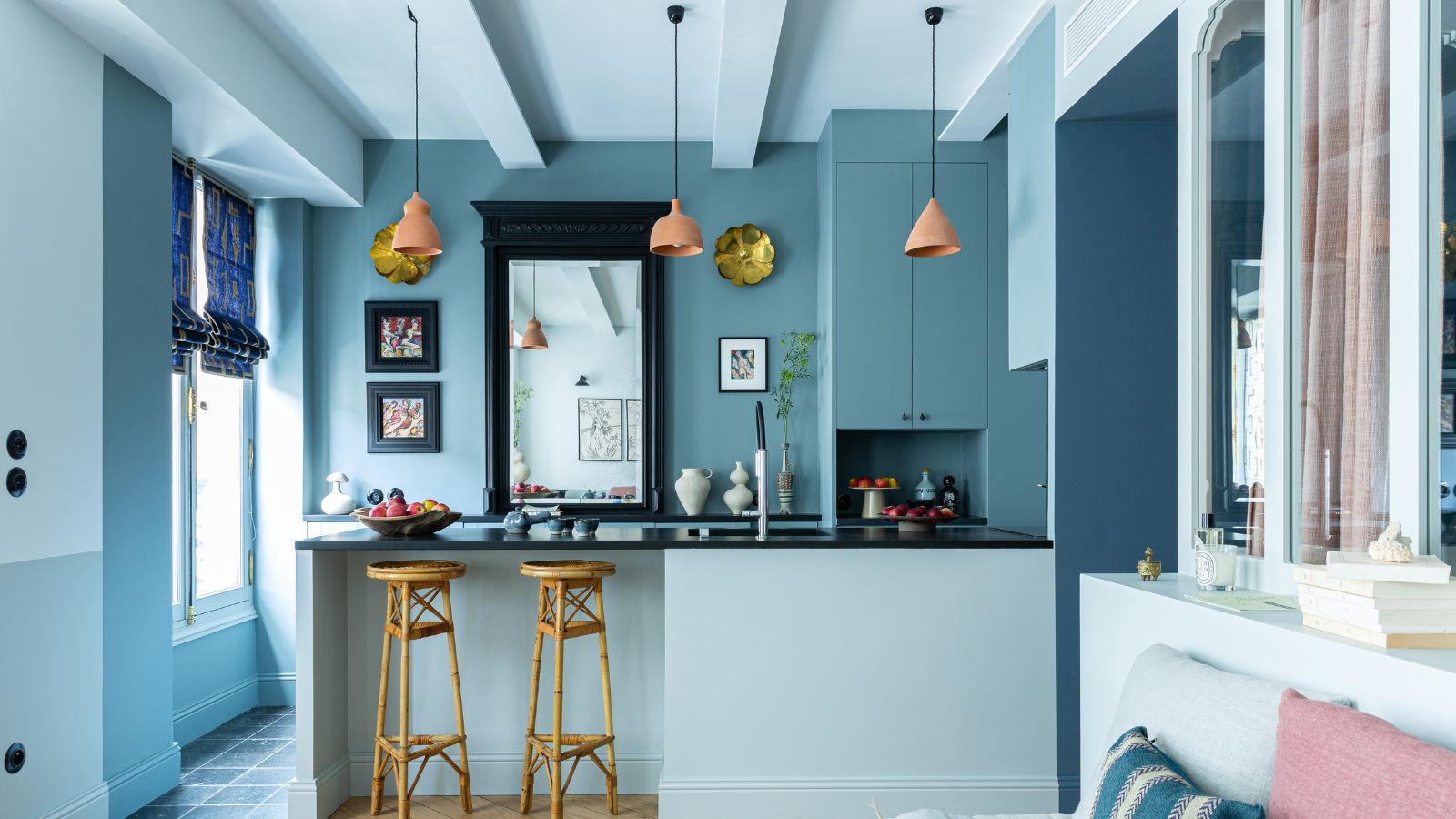
Kitchens and dining areas are often the busiest hubs. Efficient layouts, accessible storage, and durable surfaces support meal preparation and daily routines. Interior design solutions extend to ergonomic counters, organized pantries, and adaptable dining furniture, all designed to streamline activities.
Creating Relaxation Niches
Amidst the hustle, designated relaxation areas are vital. Cozy corners, window seats, or small reading nooks provide respite. Interior design solutions integrate these niches to ensure every member has a retreat, fostering well-being without compromising communal space.
Multi-Functional Bathrooms
Bathrooms in busy homes must accommodate multiple users efficiently. Double vanities, optimized storage, and clear zoning enhance usability. Interior design solutions incorporate these elements thoughtfully, ensuring functionality while maintaining a spa-like ambiance.
Blending Practicality with Aesthetics
The ultimate goal of interior design solutions in busy homes is to harmonize efficiency and style. Every choice, from materials and furniture to lighting and decor, must contribute to a cohesive environment that supports daily life. The result is a home that feels organized, inviting, and adaptable to any challenge.
Sustainable Considerations
Sustainability adds long-term value. Energy-efficient appliances, water-saving fixtures, and responsibly sourced materials reduce environmental impact. Interior design solutions integrate these features seamlessly, ensuring that eco-conscious choices complement functionality and aesthetics.
Maximizing Vertical Space
Vertical storage and design elements are crucial in busy households. Shelving, tall cabinets, and wall-mounted units make use of underutilized space while keeping floors uncluttered. Interior design solutions consider both accessibility and visual balance when planning vertical features.
Harmonizing Color and Texture
Color and texture influence perception and mood. Light, neutral tones open spaces and reduce visual clutter, while contrasting textures add depth and interest. Interior design solutions coordinate these elements to create a harmonious and lively environment.
Encouraging Family Collaboration
Well-designed spaces support interaction and collaboration. Shared workspaces, communal seating, and open-plan layouts allow family members to connect without sacrificing individual activity zones. Interior design solutions balance shared experiences with personal space, promoting harmony and efficiency.


More Stories
Interior Design Essentials for Modern Living
Interior Design Details That Matter
Interior Design Touches That Impress