

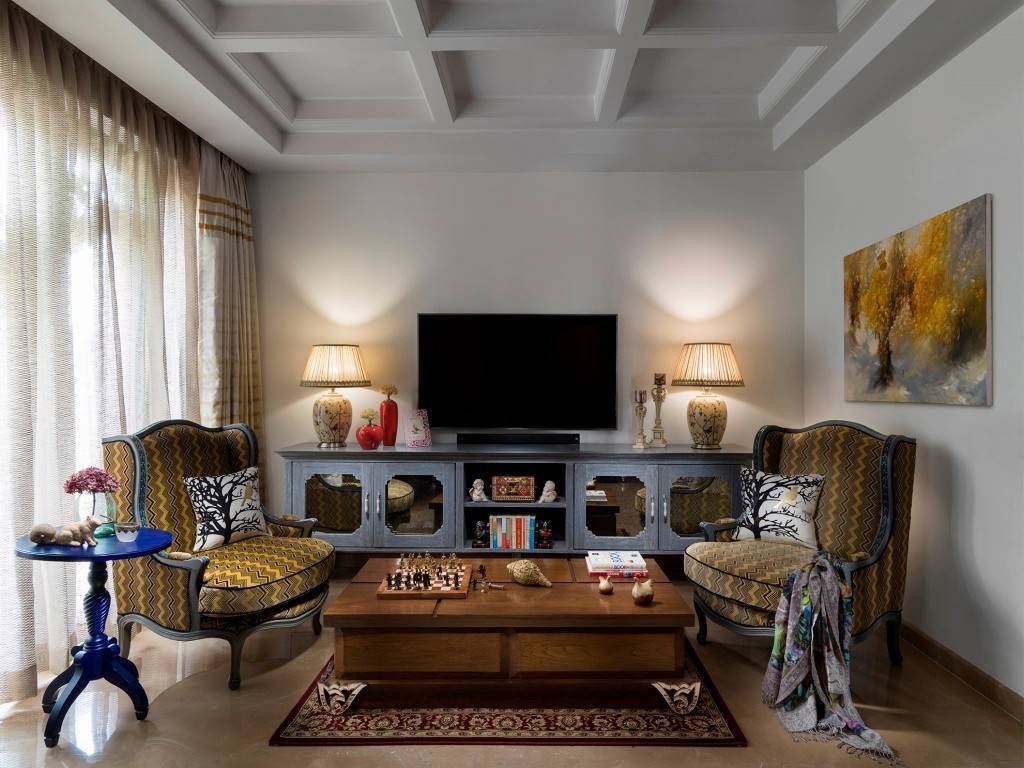
Transforming Spaces Through Thoughtful Planning
When it comes to creating interiors that resonate, interior design plans form the foundation of every successful project. From the initial layout to the final decorative touches, meticulous planning ensures that every element serves a purpose while enhancing the overall aesthetic. These plans go beyond mere functionality, aiming to elevate the emotional and sensory experience within a space.
Crafting Functional Layouts
A well-conceived layout maximizes both comfort and usability. By analyzing traffic flow, sightlines, and the natural light sources in a room, designers can position furniture and focal points to optimize spatial harmony. Incorporating flexible arrangements allows spaces to adapt to evolving needs, making each room versatile and inviting.
Selecting Complementary Materials and Finishes
Materials and finishes play a crucial role in how spaces feel. Combining rich textures such as polished wood, soft textiles, and sleek metals creates layered interest. Carefully curated finishes not only enhance durability but also communicate sophistication, contributing to an elevated ambiance.
Strategic Use of Color
Color decisions impact perception profoundly. Coordinated palettes create a sense of unity, while well-placed contrasts draw attention to key architectural features or decorative pieces. Interior design plans often incorporate accent walls, color-blocking strategies, or subtle gradient transitions to guide the eye and foster a cohesive environment.
Lighting as a Design Element
Lighting is central to interior transformation. Thoughtful incorporation of ambient, task, and accent lighting accentuates design features while shaping mood and atmosphere. Integrating natural light through strategic window placements or reflective surfaces amplifies openness, while adjustable artificial lighting provides functionality and versatility.
Integrating Storage Solutions Elegantly
Storage is often overlooked, yet it is essential for maintaining both order and aesthetic appeal. Cleverly integrated cabinets, shelves, and multipurpose furniture prevent clutter without disrupting visual harmony. Interior design plans ensure these solutions blend seamlessly, enhancing both convenience and style.
Personalization Through Decor
Bespoke art, curated collections, and customized furniture allow interiors to tell a story. By integrating personal elements thoughtfully, designers create spaces that are both inviting and unique. Every decorative choice aligns with the overarching plan, reinforcing the cohesion of the environment.
Attention to Architectural Details
Architectural elements such as moldings, built-ins, and trim add character and definition. Interior design plans often emphasize these details to elevate otherwise ordinary spaces. Strategic placement of these elements can guide visual flow and highlight focal areas, ensuring that each room exudes intentionality and refinement.
Maximizing Spatial Flow
Effective plans consider circulation patterns carefully. Pathways should feel natural, unobstructed, and proportional to the room’s dimensions. This not only improves functionality but also fosters a sense of spaciousness, making interiors feel both expansive and comfortable.
Blending Contemporary and Timeless Elements
A strong interior design plan balances current trends with timeless features. Modern fixtures or materials can coexist with classic architecture or vintage pieces, producing a space that feels dynamic yet enduring. This approach ensures longevity in both aesthetics and functionality.
Incorporating Sustainable Choices
Sustainability is increasingly vital in contemporary interiors. Interior design plans that integrate eco-friendly materials, energy-efficient lighting, and responsible sourcing not only support environmental stewardship but also contribute to healthier living spaces. Thoughtful choices in this area reinforce the overall design integrity.
Creating Zones for Multiple Purposes
Multi-functional spaces are a hallmark of thoughtful design. Interior design plans often delineate zones for work, leisure, and socializing without compromising cohesion. Subtle dividers, furniture orientation, and lighting cues define these areas effectively, maintaining flow while supporting diverse activities.
Harmonizing Textures and Patterns
The interplay of textures and patterns enriches interiors. Combining soft fabrics, reflective surfaces, and patterned elements creates visual depth and tactile interest. Well-executed interior design plans consider rhythm, proportion, and contrast to achieve a harmonious and engaging composition.
Enhancing Visual and Emotional Impact
Ultimately, interior design plans aim to elevate spaces not only visually but also emotionally. By orchestrating a blend of materials, color, lighting, and layout, each room can evoke comfort, inspiration, or luxury. Every element is intentional, contributing to a coherent and impactful spatial experience.


More Stories
Interior Design Essentials for Modern Living
Interior Design Details That Matter
Interior Design Touches That Impress