

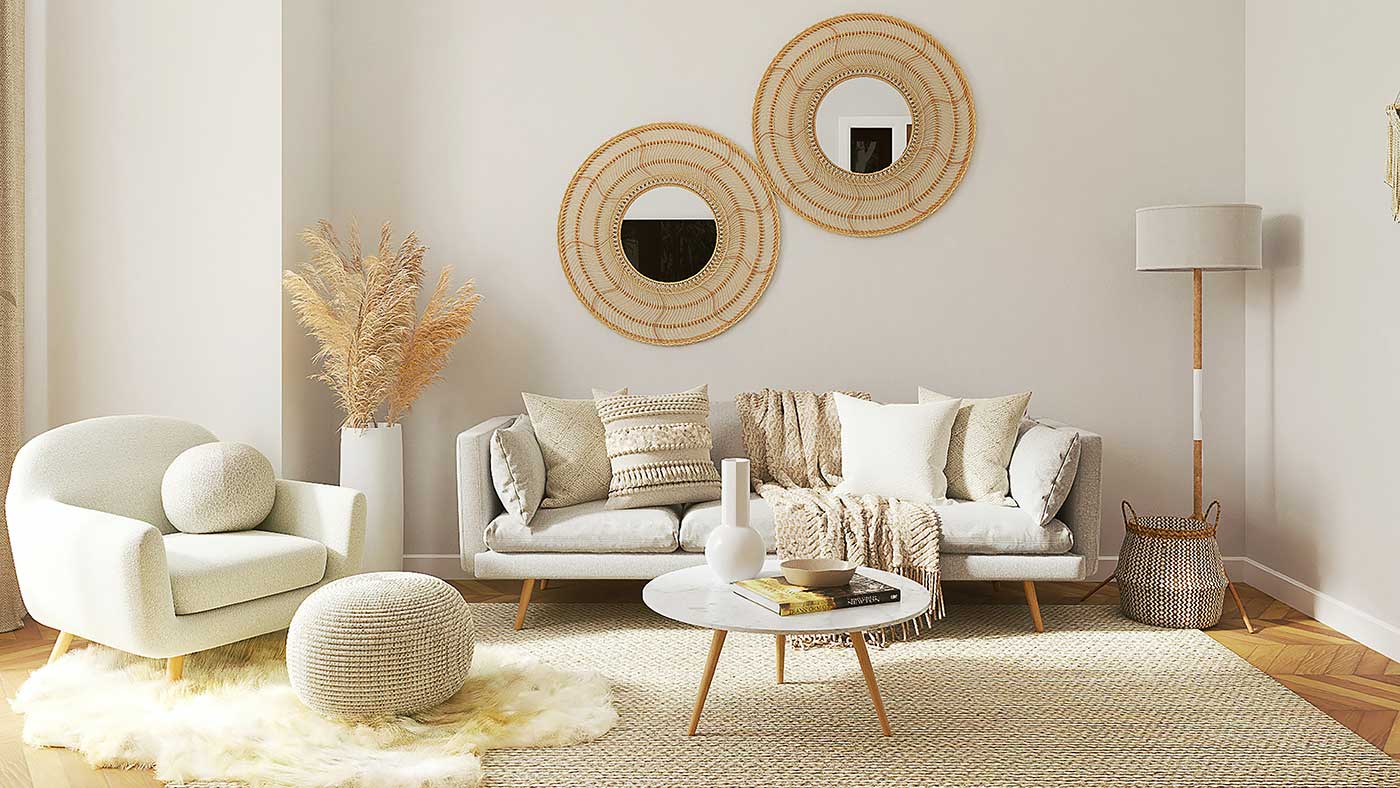
Small homes thrive when every inch is treated with intention. The modern approach celebrates cleverness, efficiency, and beauty in equal measure. In the first moments of planning, many homeowners discover that strategic choices can completely reshape the way a compact environment feels. This is where interior design boosts begin to work their quiet magic, transforming tight quarters into places of comfort, clarity, and understated elegance.
Making Space Feel Larger Through Visual Continuity
One of the most powerful tools for enhancing a small room is visual consistency. When colors, textures, and finishes move fluidly from one area to another, the eye perceives the space as larger than it is. Pale neutrals, soft grays, and muted earthy tones create an uninterrupted flow that allows the mind to rest. Smooth surfaces, continuous flooring, and simple trim also contribute to the perception of expanded square footage. Even modest apartments feel more open when unnecessary visual noise is removed.
Lighting plays an equally important role. Natural light is the most effective resource, and rooms appear instantly more spacious when windows remain unobstructed. Sheer curtains, raised blinds, and reflective accessories amplify the brightness. In areas without abundant sunlight, layered lighting serves as an elegant alternative. Warm sconces, slim recessed lights, and soft under-cabinet glow can create depth, dimension, and a sense of height.
Furniture That Works Twice as Hard
Small spaces thrive on furniture that wears multiple hats. Pieces that can shift, fold, slide, nest, and expand offer unparalleled convenience. A dining table that tucks into a wall, a loveseat with hidden storage beneath the cushions, or an ottoman that converts into a side table all serve as examples of functional creativity.
Modular furniture is especially advantageous. Sectionals that break apart, stackable stools, and shelving cubes that can be rearranged based on need provide long-term adaptability. These items reduce clutter while offering flexible configurations for hosting, working, or relaxing. Scale also matters; selecting furniture with slim profiles and raised legs creates an airy, unconfined effect.
Clever Storage That Disappears into the Design
Storage is the lifeline of any compact home. The trick is to incorporate it seamlessly. Vertical shelving makes use of underutilized wall height. Built-ins blend with the architecture, creating recessed areas for books, décor, or daily essentials. Consider using toe-kick drawers in kitchens, slim pull-out racks beside appliances, or wall-mounted cabinets that keep floors open and free.
Hidden storage options elevate practicality. Beds with drawers, benches with lift-top seats, and coffee tables with concealed compartments maintain tidiness without sacrificing style. Even simple additions such as hooks, magnetic strips, and tiered racks maximize limited real estate.
Decorative Strategies That Enhance Atmosphere
A small space does not need minimal personality. In fact, thoughtful décor can make an intimate room feel inviting rather than cramped. Mirrors are one of the most effective tools; a large, well-placed mirror doubles visual depth and increases light diffusion. Oversized artwork, surprisingly, can work beautifully in small rooms by creating a striking focal point that distracts from compact dimensions.
Plants also elevate smaller environments. Vertical plant walls, narrow planters, or hanging pots introduce organic texture without consuming floor space. The presence of greenery brings freshness, calm, and a sense of balance.
Textiles soften the edges of a room. Lightweight drapes, textured throws, and area rugs define zones and add warmth. Patterns should be chosen thoughtfully, but they are not prohibited. Subtle geometric prints or gentle stripes elongate the room and add personality without overwhelming it.
Maximizing Function in Every Corner
Unused corners carry immense potential. A simple corner desk can create an efficient workspace. A curved shelf can turn a forgotten nook into a display area. Even the narrow space behind a door can be outfitted with hooks, shallow shelving, or a slim organizer.
Entryways also deserve attention. Compact consoles, wall-mounted coat racks, and minimalist shoe storage solutions establish order from the moment someone steps inside. These small improvements set the tone for the rest of the home, proving that efficiency can be beautiful.
Curating with Care for Long-Term Harmony
Less truly becomes more when designing for small spaces. Edited décor, meaningful pieces, and purposeful layout choices create better flow. Prioritizing quality over quantity prevents clutter from accumulating. Thoughtful curation invites tranquility and allows every object to shine in its rightful place.
With deliberate choices and a creative approach, even the most compact home can become a haven. When every corner is utilized with intention, when light is allowed to dance freely, and when furniture contributes both beauty and function, a small space transforms into something surprisingly expansive.


More Stories
Interior Design Essentials for Modern Living
Interior Design Details That Matter
Interior Design Touches That Impress