

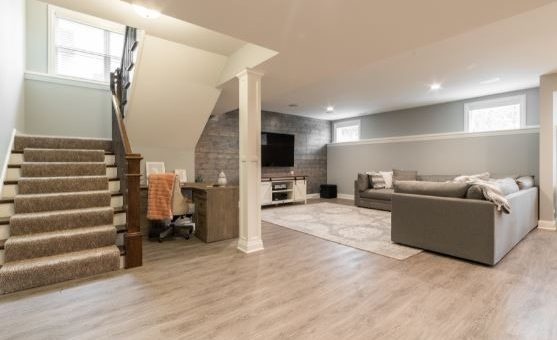
Evaluating the Existing Layout
Creating fresh new rooms begins with perspective. The environment around you can feel renewed with strategic adjustments that amplify clarity, comfort, and personal expression. By applying essential space room tips, even an unremarkable area can become an invigorating habitat filled with vitality. A careful assessment of the layout identifies obstacles, reveals opportunities, and sets a strong foundation for transformation.
Enhancing Illumination
Lighting possesses transformative influence. Good illumination does more than expose details; it molds ambiance, affects mood, and reshapes perception. Layered lighting brings nuanced depth. Overhead fixtures establish general clarity while sconces and table lamps provide dimension. Natural light is invaluable. Use translucent coverings to diffuse brightness and introduce a gentle radiance that makes the room feel open and energized.
Refining Color Selections
Color selection carries psychological weight. Celadon generates calmness, terracotta radiates warmth, and graphite communicates sophistication. Choose hues that align with your desired emotional tone. Accent walls, trims, or key furnishings present opportunities for bolder choices. Neutrals maintain serenity and support versatile decorating. Experimentation reveals unexpected chromatic combinations that refresh the entire room.
Optimizing Furniture Placement
Furniture determines both utility and aesthetic appeal. Oversized pieces create congestion; undersized ones make the room feel barren. Balance arises from proportional selection and thoughtful arrangement. Multifunctional items, such as storage ottomans or convertible desks, add efficiency without compromising elegance. These purposeful choices bring ingenuity and elevate the room’s stylistic identity.
Integrating Textural Elements
Textiles impart personality through tactile nuance. Curtains, rugs, throws, and cushions soften hard lines and introduce visual movement. Layering different fabrics creates dimension. Use rugs to delineate zones, especially in open floor plans. Intriguing motifs or artisanal details further enrich the space, adding craftsmanship and originality.
Curating Decorative Accents
Decor must be intentional. Curate rather than accumulate. Artwork, sculptural pieces, and plants anchor the room with cultural resonance and natural vibrancy. Even a single botanical accent can offer refined freshness. Thoughtfully chosen decor enhances character while maintaining balance.
Implementing Effective Storage
Storage supports order, allowing a remodeled room to remain pristine and functional. Floating shelves, built in cabinetry, and concealed compartments preserve spaciousness. Organizational discipline ensures surfaces stay clear and the room feels continuously renewed.
Considering Acoustics and Sensory Elements
Acoustic comfort enhances serenity. Plush rugs, heavy drapery, and upholstered furnishings absorb sound and reduce echo. Scent also influences perception. Subtle fragrances, such as citrus, herbal, or wood based notes, create gentle olfactory signatures that complement the room’s visual identity.
Infusing Personal Identity
Personalization infuses warmth and authenticity. Items such as handcrafted pottery, meaningful books, curated memorabilia, or sketches weave a narrative into the space. When arranged with consideration, these details transform the remodeled room into an environment that genuinely resonates.


More Stories
Space Remodeling Moves for Modern Style
Space Remodeling Tips for Open Layouts
Transform Your Space: Creative Room Makeover Ideas to Revive Your Sanctuary